
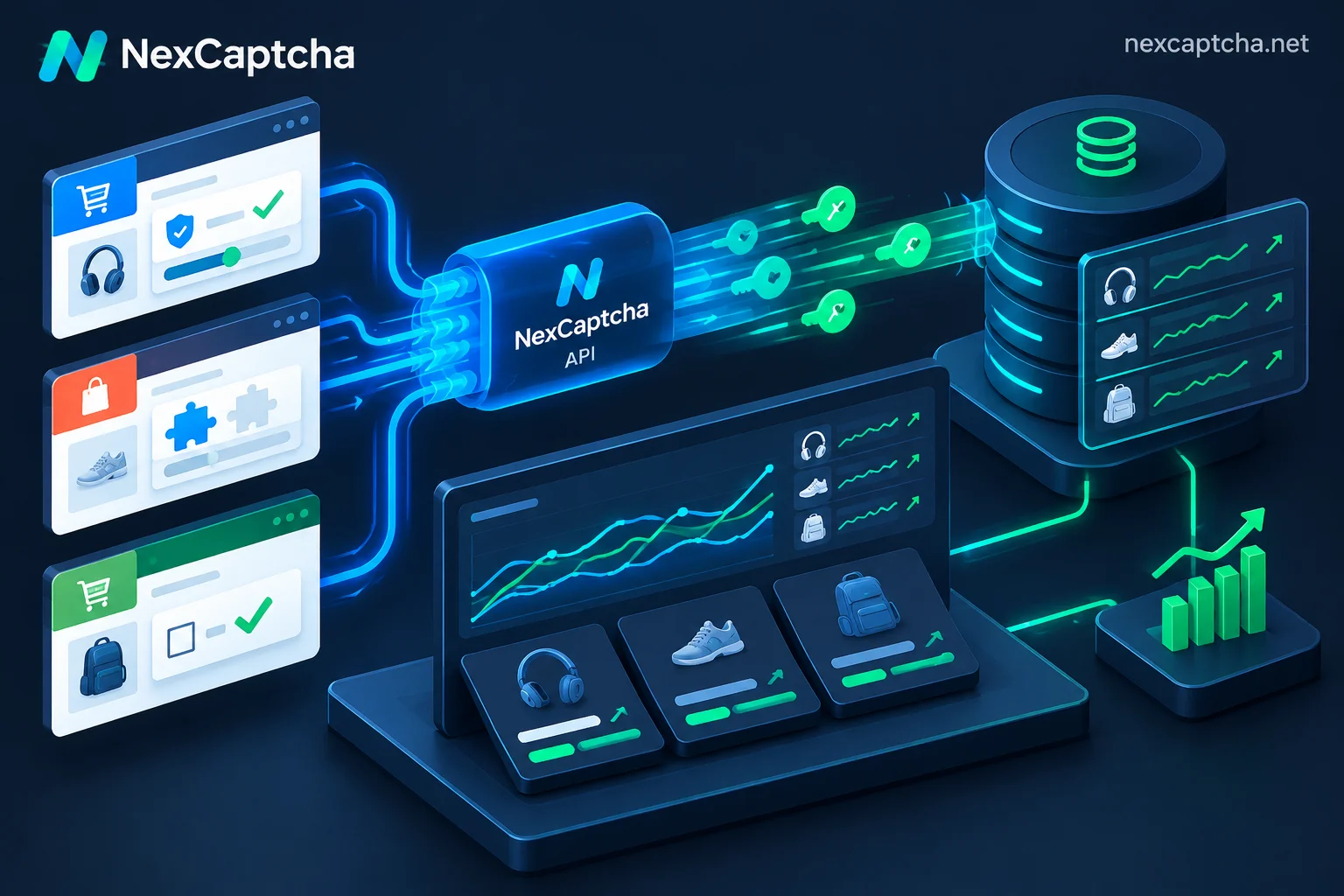
Public Price Monitoring CAPTCHA Handling in Practice: Interception Routing, Session Alignment, and High-Concurrency Scheduling for Multi-Platform Pric
For public price monitoring scenarios on e-commerce and independent sites, this article analyzes multi-channel WAF and CAPTCHA interception characteristics, providing a complete engineering solution from proxy binding, session and geo-state maintenance, unified CAPTCHA solving API scheduling to dirty data validation before database insertion.
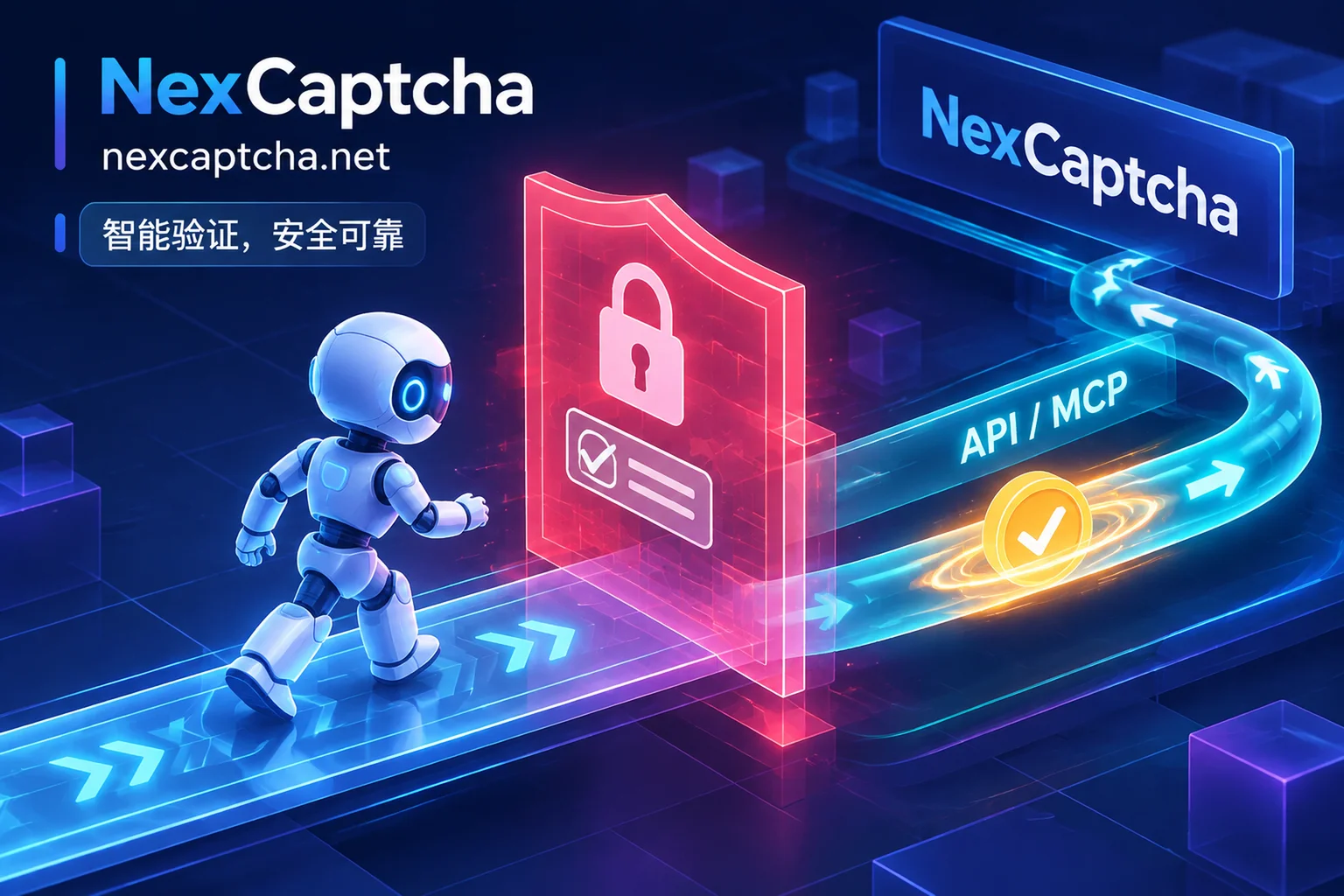
AI Agent CAPTCHA Handling Guide: Why Multimodal Vision (VLM) Fails at Invisible Risk Control, and How to Break Through with API + MCP
As agent frameworks like Browser Use and LangGraph become popular, more teams try to use multimodal large models (VLM) to directly screenshot and click through CAPTCHAs. This article analyzes why the visual approach fails against modern invisible risk controls like Cloudflare Turnstile and reCAPTCHA v3 while consuming high inference costs, and provides a dual-track CAPTCHA handling architecture based on NexCaptcha hosted MCP and asynchronous API.
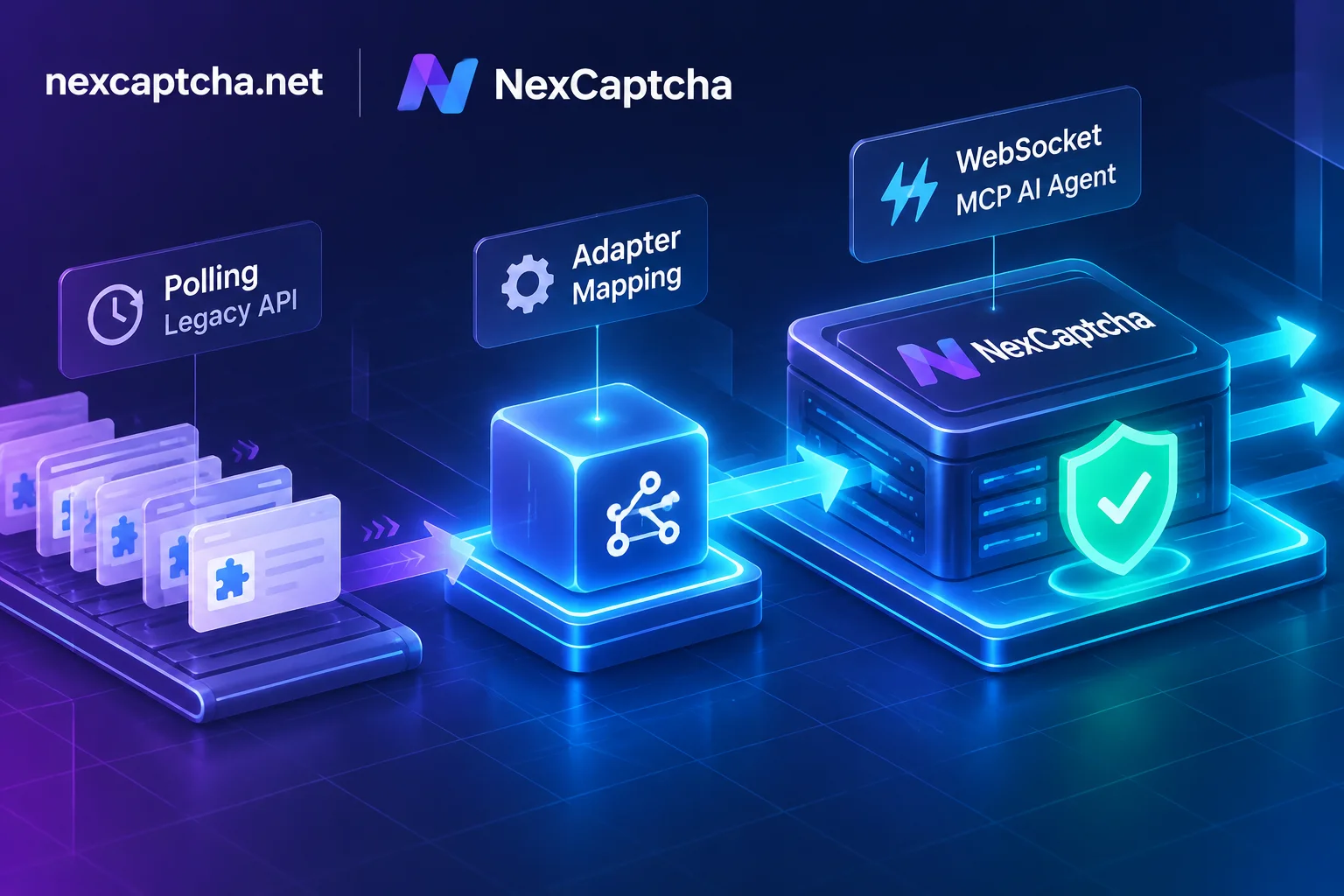
How to Choose a 2Captcha Alternative: From Crowdsourcing Latency to WebSocket Push and Smooth Adapter Migration
For automation, QA testing, and AI Agent teams relying on 2Captcha, this article analyzes the long-tail latency, polling overhead, and multi-version protocol debt of manual crowdsourcing, and explains how to achieve smooth architectural evolution with NexCaptcha's Adapter parameter compatibility, WebSocket push, and hosted MCP service.

How to Integrate a Python CAPTCHA Recognition API: Async httpx Wrapper, WebSocket Push, and Playwright Debugging in Practice
A detailed guide on integrating a CAPTCHA recognition API into Python async automation architectures, covering an httpx-based create.cgi/query.cgi client wrapper, WebSocket real-time result push, Playwright browser session alignment, and engineering practices for smooth migration from traditional createTask platforms.
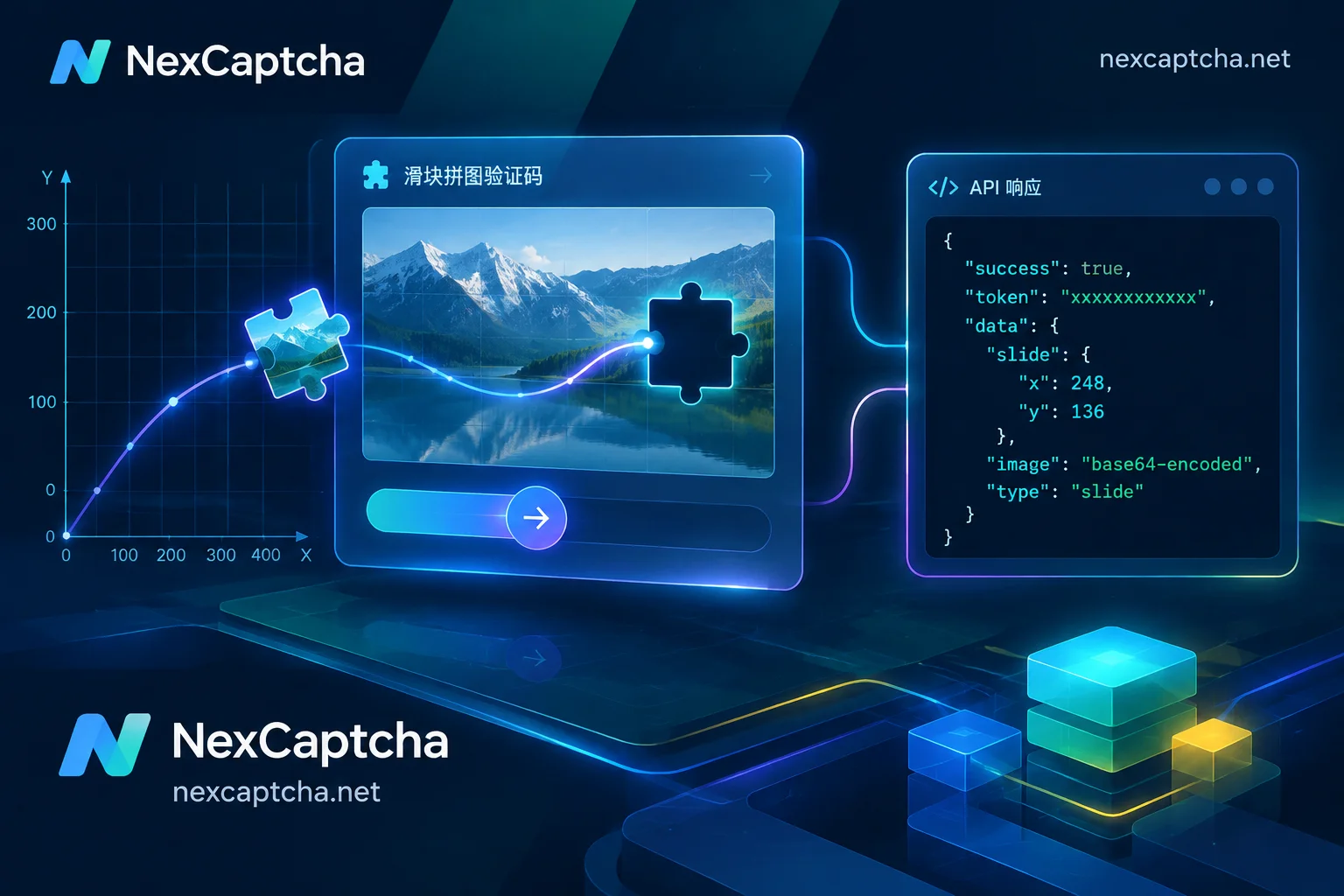
How to Integrate a Slider CAPTCHA Recognition API: Coordinate Mode vs. Token Mode Selection, Scaling Conversion, and Trajectory Anti-Interception
A practical guide to integrating slider CAPTCHA recognition APIs, covering coordinate mode vs. token mode, scaling calculations, and human-like drag trajectories to avoid detection.