

Slider CAPTCHA Recognition API Upgrade: From Simple Coordinate Clicks to Highly Realistic Trajectory Simulation
The anti-scraping strategy for slider CAPTCHAs is evolving from pure image recognition to behavioral trajectory detection. This article explores the latest slider risk control trends and introduces how NexCaptcha's efficient API enables smarter slider automation solutions.
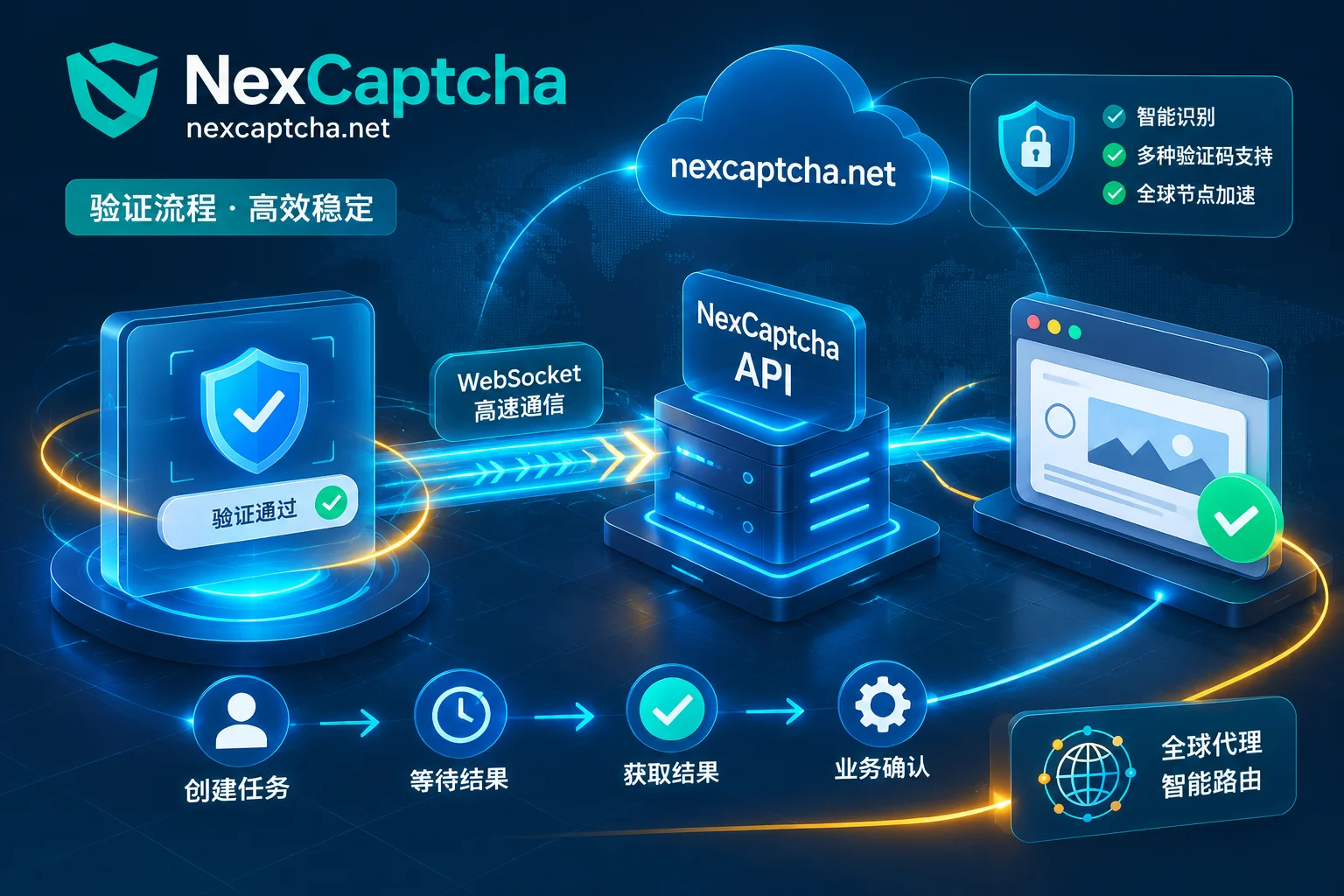
Cloudflare Turnstile Recognition in Practice: Siteverify Strict Verification, Pre-Clearance Pass and Session Consistency Architecture
In-depth analysis of the latest Cloudflare Turnstile risk control evolution in 2026, from the backend Siteverify strict verification popularized by Turnstile Spin, Pre-Clearance and Precursor session-level cf_clearance binding, to how to build a high pass rate automated recognition pipeline through NexCaptcha API, WebSocket push and MCP service.
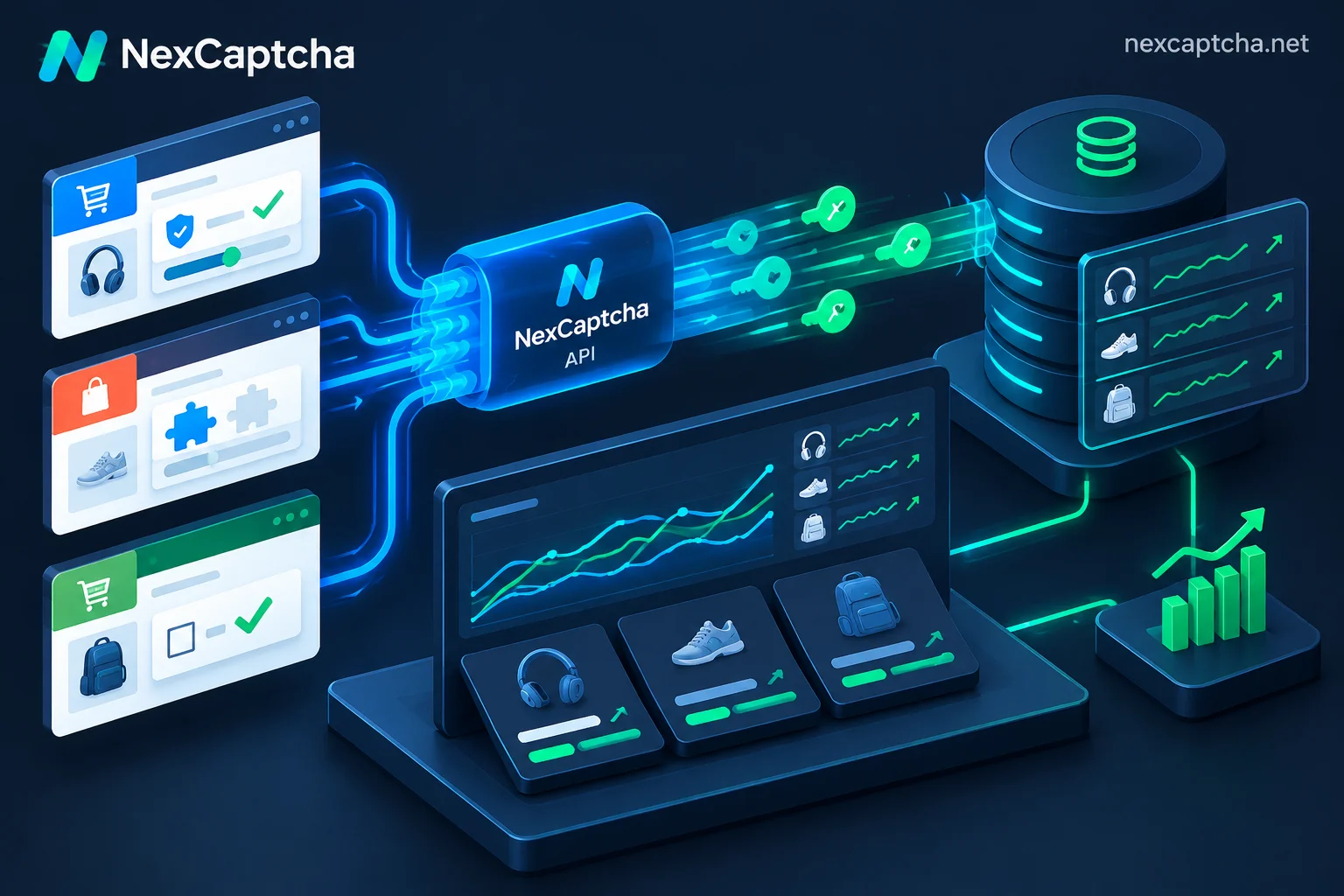
Public Price Monitoring CAPTCHA Handling in Practice: Interception Routing, Session Alignment, and High-Concurrency Scheduling for Multi-Platform Pric
For public price monitoring scenarios on e-commerce and independent sites, this article analyzes multi-channel WAF and CAPTCHA interception characteristics, providing a complete engineering solution from proxy binding, session and geo-state maintenance, unified CAPTCHA solving API scheduling to dirty data validation before database insertion.
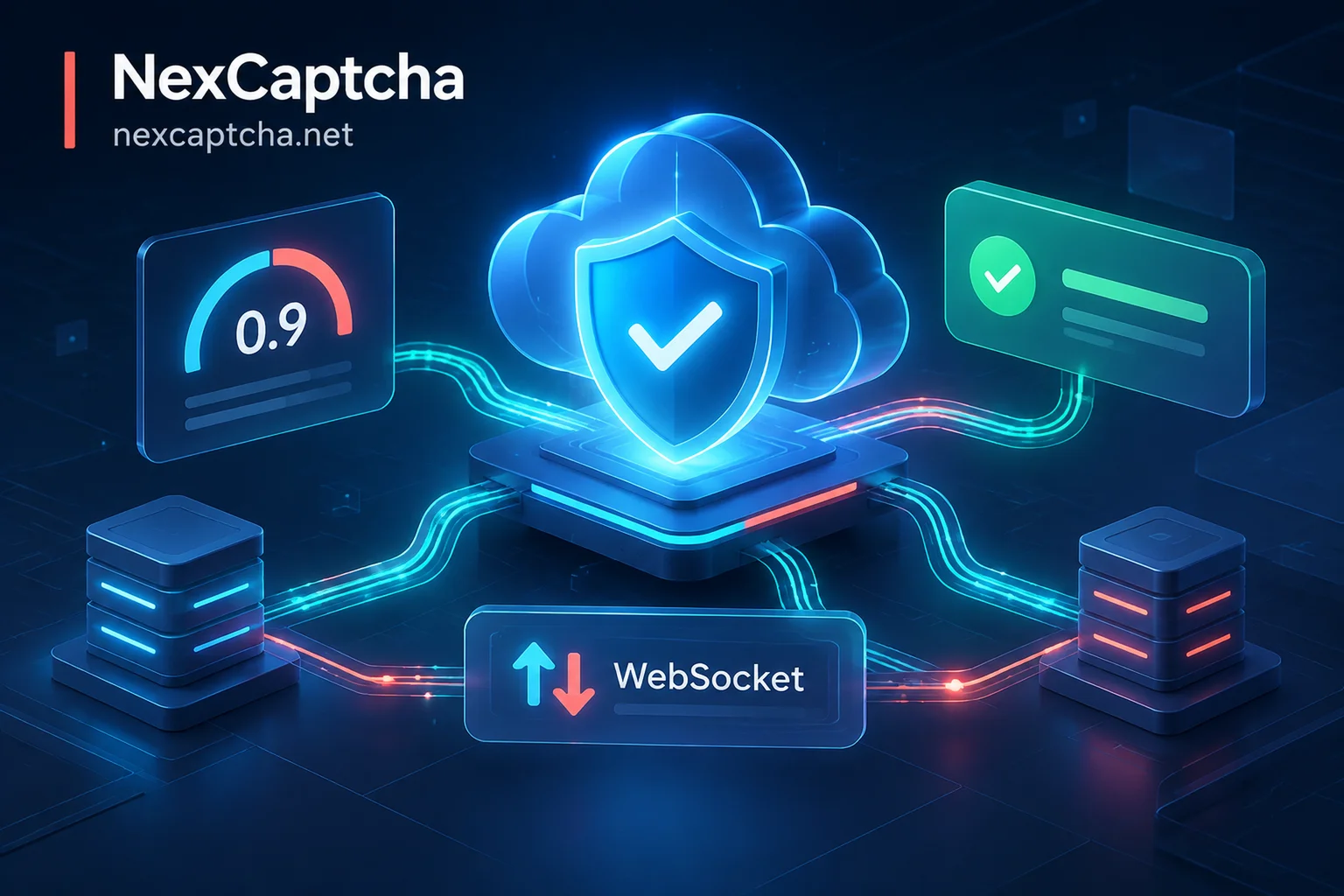
reCAPTCHA Recognition API in Practice: Enterprise Assessment After GCP Integration, v3 Low-Score Diagnosis, and High-Concurrency Scheduling
After Google completed the migration of reCAPTCHA Classic to Google Cloud (Cloud Fraud Defense), backend validation has been upgraded to Enterprise Assessment. This article analyzes the core pain points of reCAPTCHA recognition APIs in 2026: why valid tokens still return low scores, how to align pageAction and enterprisePayload, and how NexCaptcha's asynchronous WebSocket interface, Adapter compatibility, and hosted MCP service enable high pass rates and smooth migration in public data collection, QA regression, and AI Agent workflows.
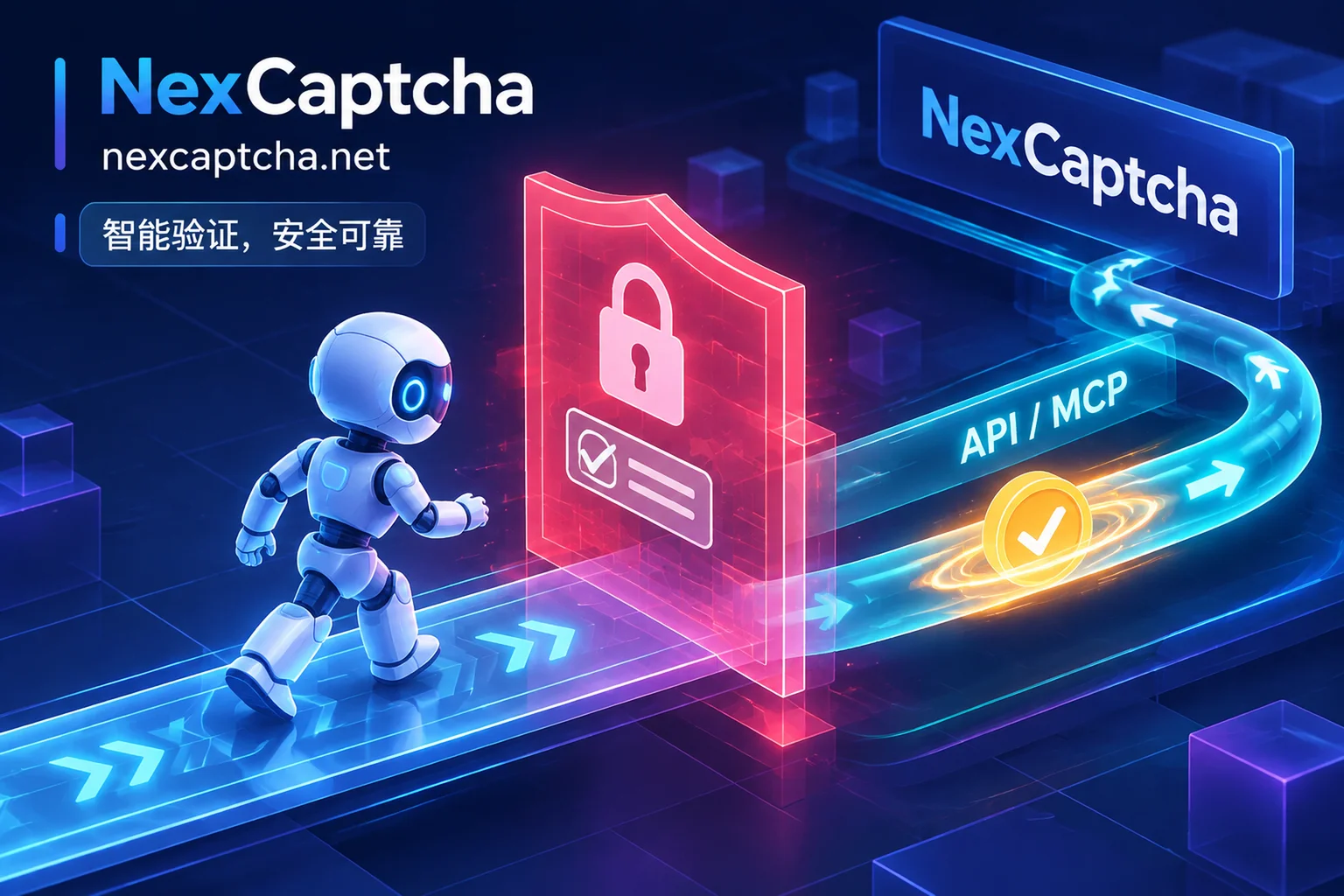
AI Agent CAPTCHA Handling Guide: Why Multimodal Vision (VLM) Fails at Invisible Risk Control, and How to Break Through with API + MCP
As agent frameworks like Browser Use and LangGraph become popular, more teams try to use multimodal large models (VLM) to directly screenshot and click through CAPTCHAs. This article analyzes why the visual approach fails against modern invisible risk controls like Cloudflare Turnstile and reCAPTCHA v3 while consuming high inference costs, and provides a dual-track CAPTCHA handling architecture based on NexCaptcha hosted MCP and asynchronous API.
