
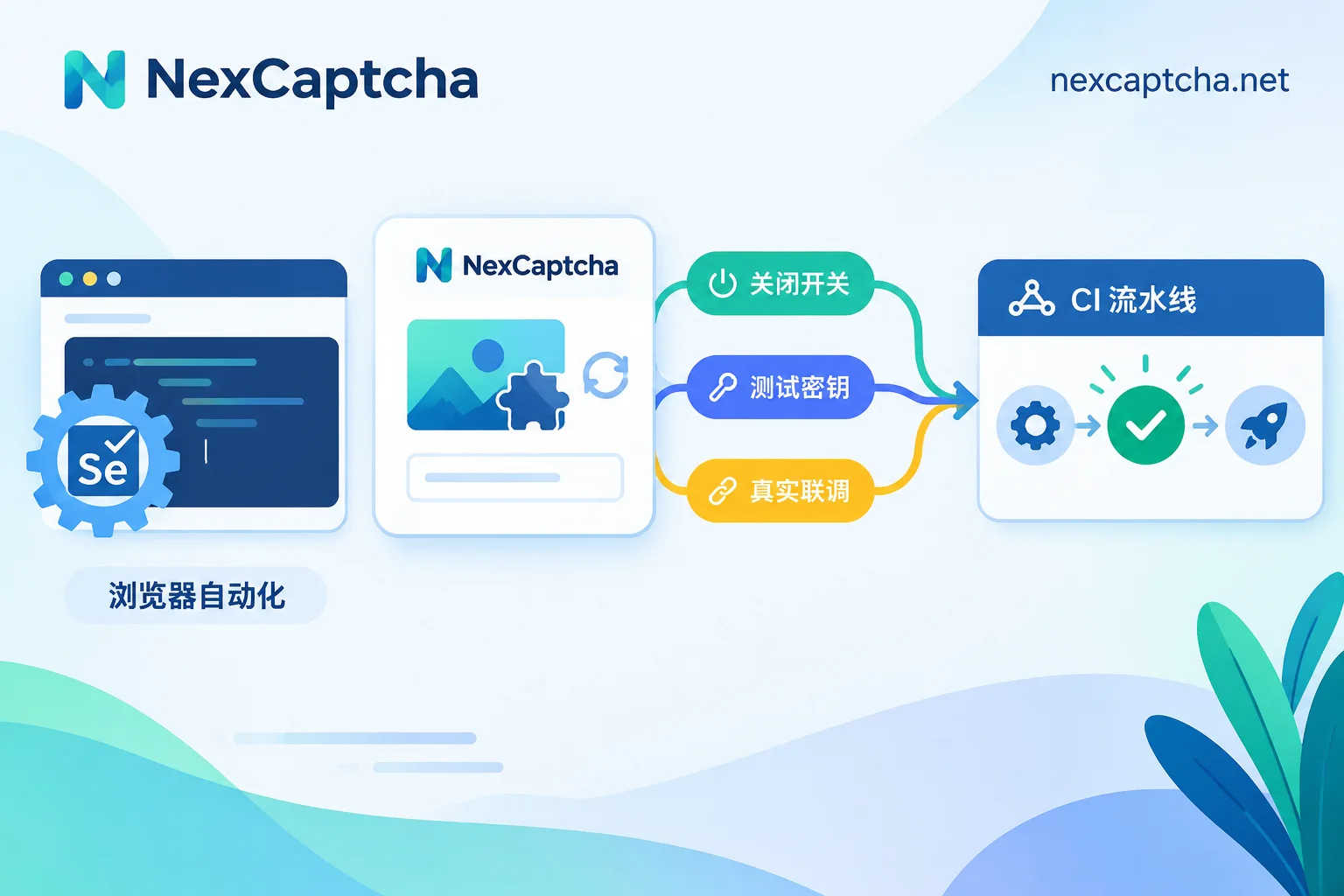
How to Do Selenium CAPTCHA Testing: Layered Approach with Feature Flags, Official Test Keys, and Real Integration
When encountering CAPTCHAs in Selenium automated testing, handle them by test layer: use environment flags or official test keys for reCAPTCHA, Turnstile, and hCaptcha in daily CI to ensure stable results; for pre-release or canary environments where real CAPTCHAs must be faced, use a small number of smoke tests with recognition APIs to complete parameter extraction, token injection, callback triggering, and business assertions.
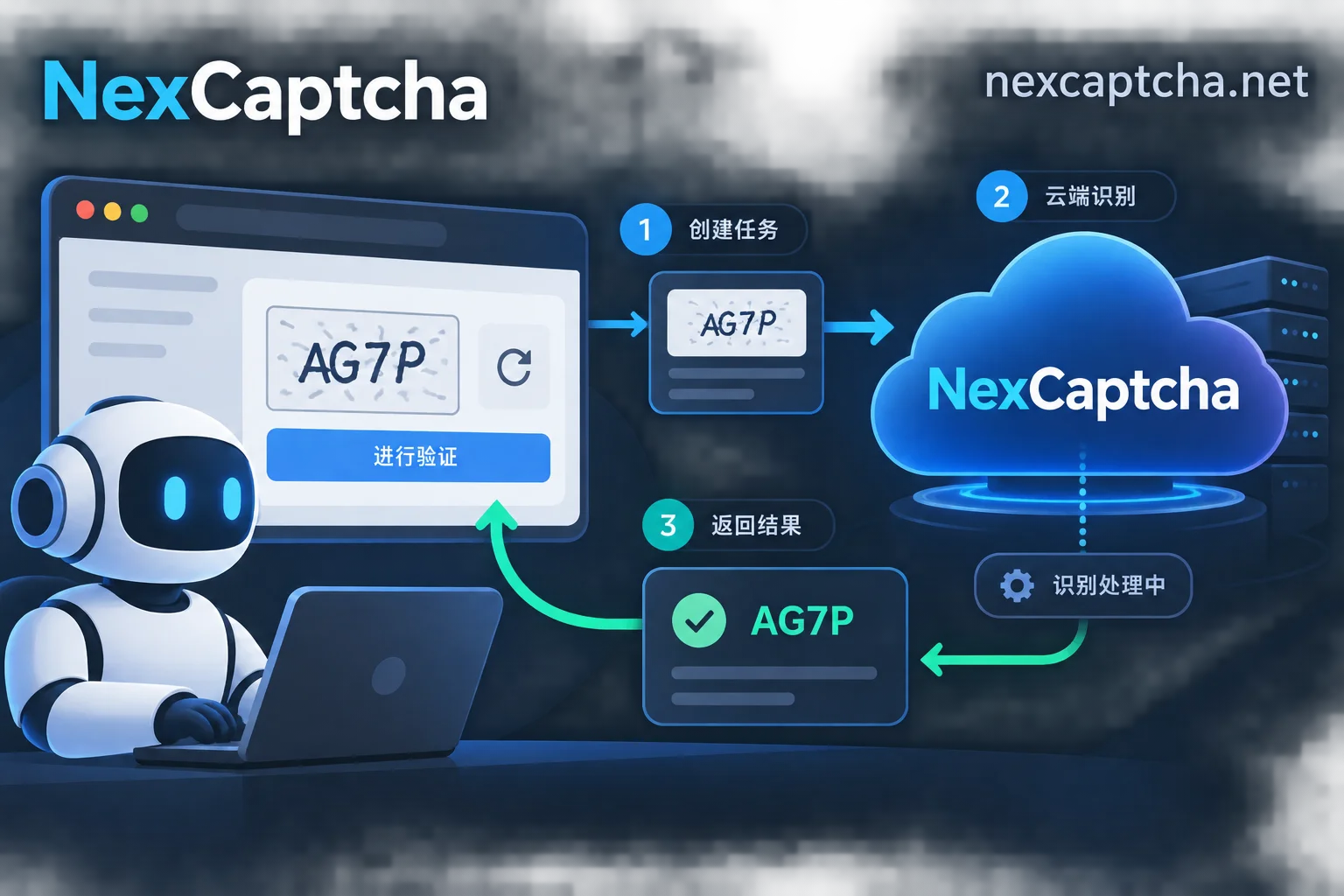
How AI Agents Handle CAPTCHAs: Tool Boundaries, Session Consistency, and Dead Loop Prevention
When web agents like Playwright, Browser Use, and LangChain encounter CAPTCHAs, it's better to make CAPTCHA handling an independent tool rather than letting the LLM take screenshots and click repeatedly. This article explains how to divide responsibilities, design the tool interface, return results to the same session, and use timeouts, retry limits, and circuit breakers to avoid dead loops.
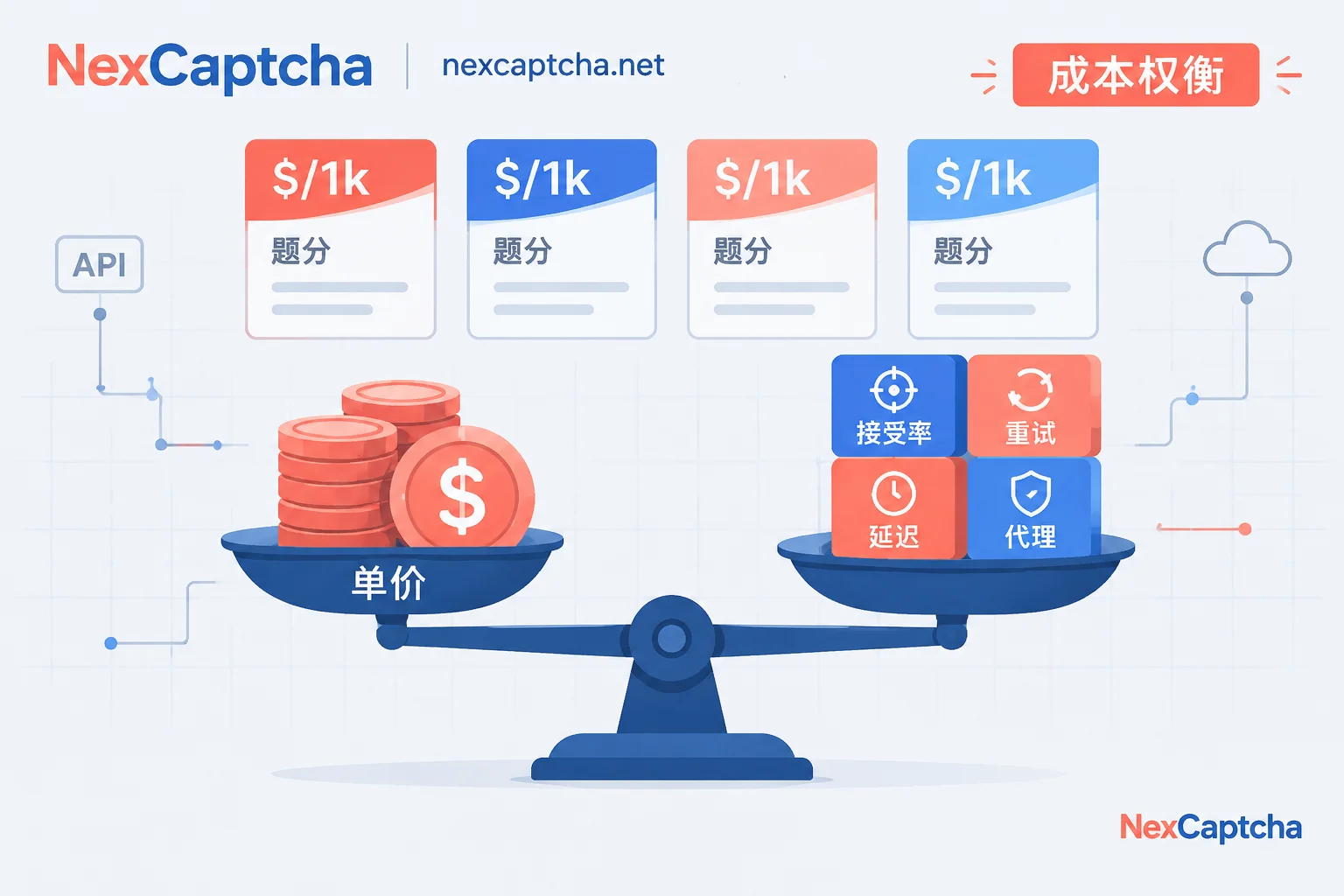
CAPTCHA Service Pricing Comparison: Public Quotes, Billing Metrics, and Real Cost Calculation
This article compares public pricing ranges for 2Captcha, CapSolver, Anti-Captcha, CapMonster Cloud, and Chaojiying (Super Eagle) by CAPTCHA type, explains differences between per-thousand billing, credit systems, pay-per-success, and dynamic pricing, and provides a method to calculate cost per successful business action along with a hypothetical example and small-scale A/B testing steps to determine which platform is actually more cost-effective for your use case.
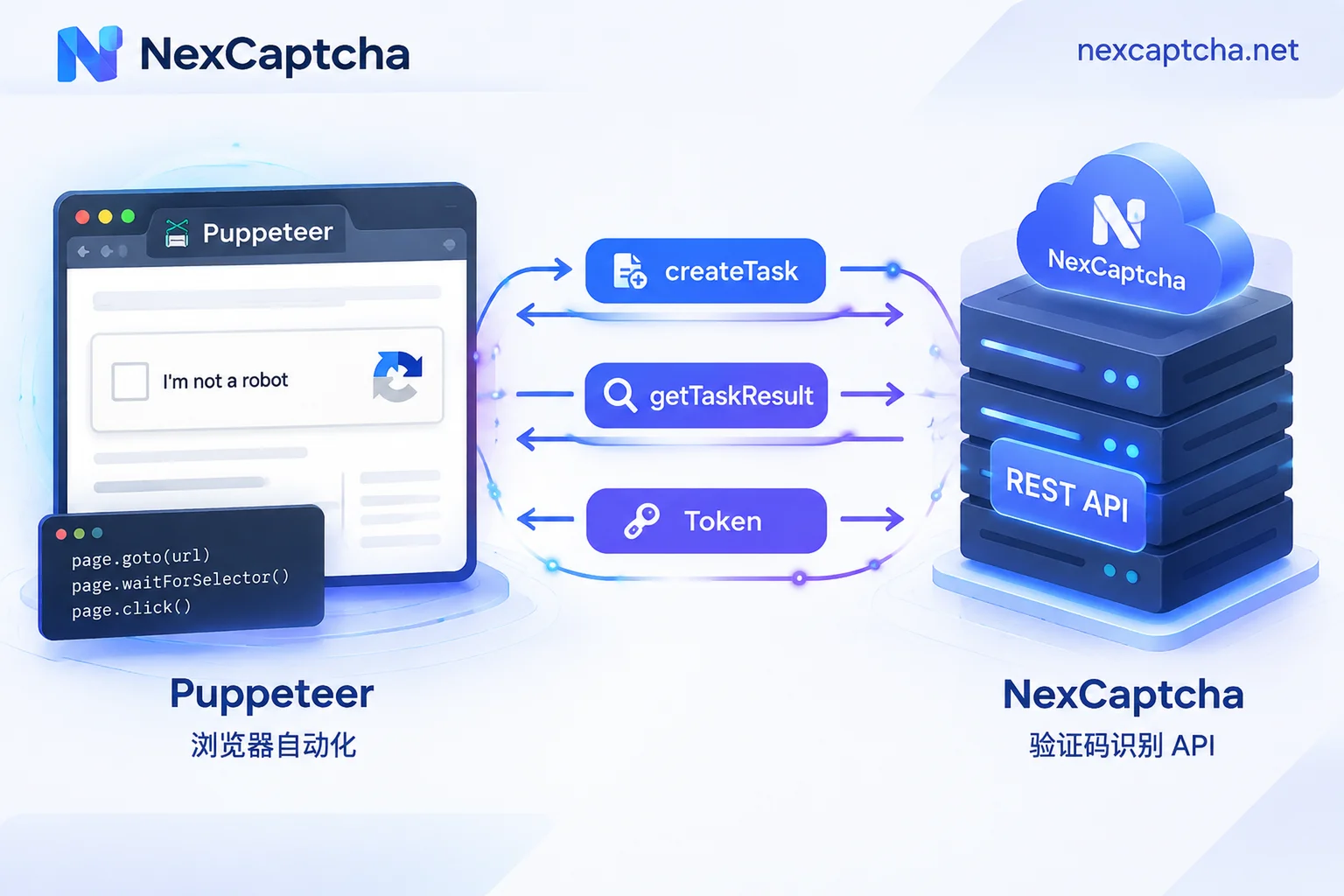
How to Integrate a Puppeteer CAPTCHA API: From Parameter Extraction and Token Injection to Troubleshooting Target Site Rejection
A complete guide to integrating a CAPTCHA recognition REST API with Puppeteer: dynamically extract parameters like sitekey, create tasks and poll results, inject tokens into the DOM via page.evaluate and trigger frontend callbacks, and troubleshoot the four common reasons a target site still rejects a returned token—expiry, callback not fired, IP mismatch, and automation fingerprint.
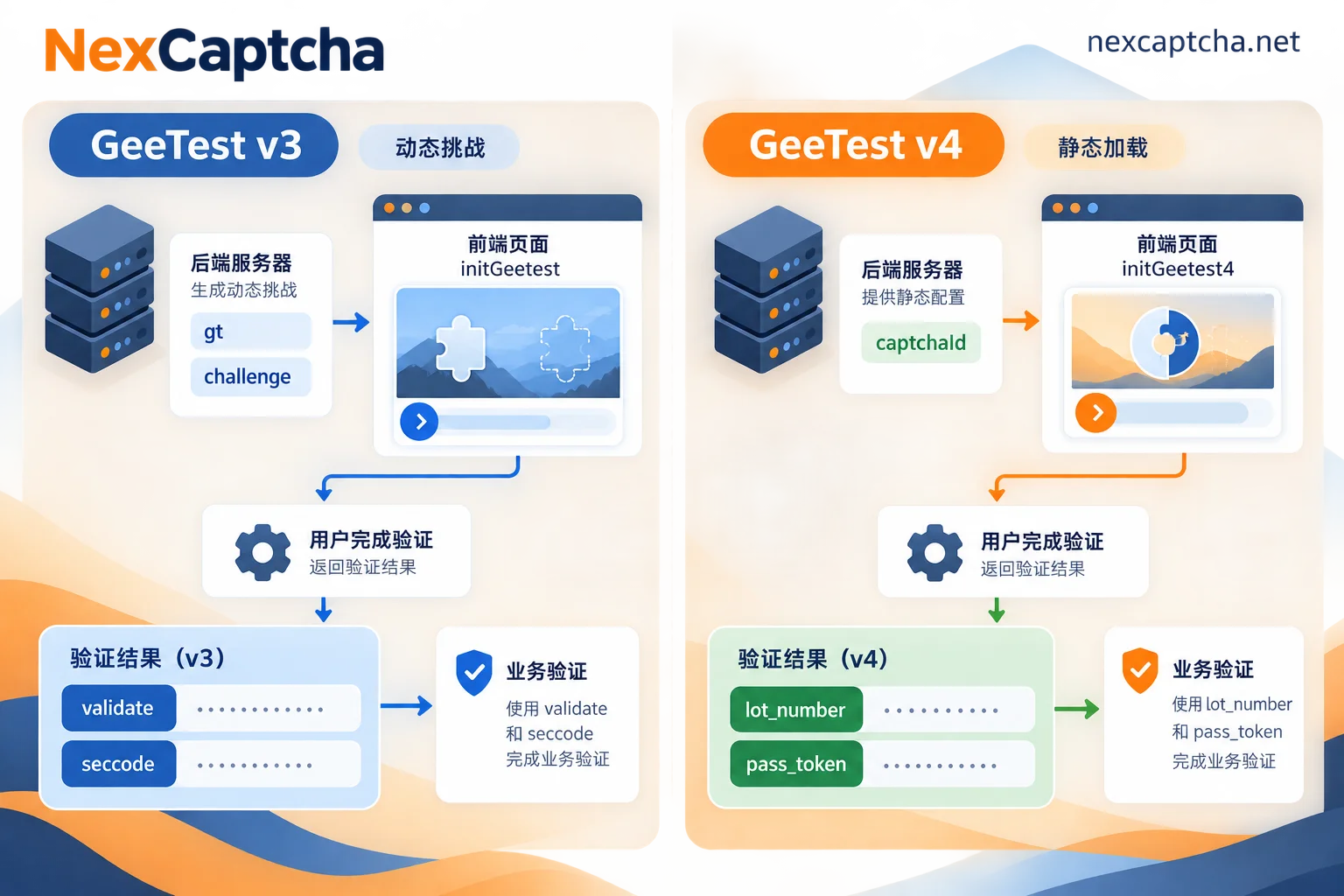
GeeTest v3 vs v4: Differences in Initialization, Parameters, Secondary Validation, and Automation Integration Architecture
GeeTest v3 and v4 are two independent architectures: v3 requires server-generated dynamic challenge, client initialization with gt and challenge, and returns validate and seccode; v4 removes request stickiness, uses static captcha_id, introduces adaptive verification, and returns lot_number, pass_token, captcha_output, and gen_time, with server-side HMAC-SHA256 validation.


