How to Integrate a Python CAPTCHA Recognition API: Async httpx Wrapper, WebSocket Push, and Playwright Debugging in Practice
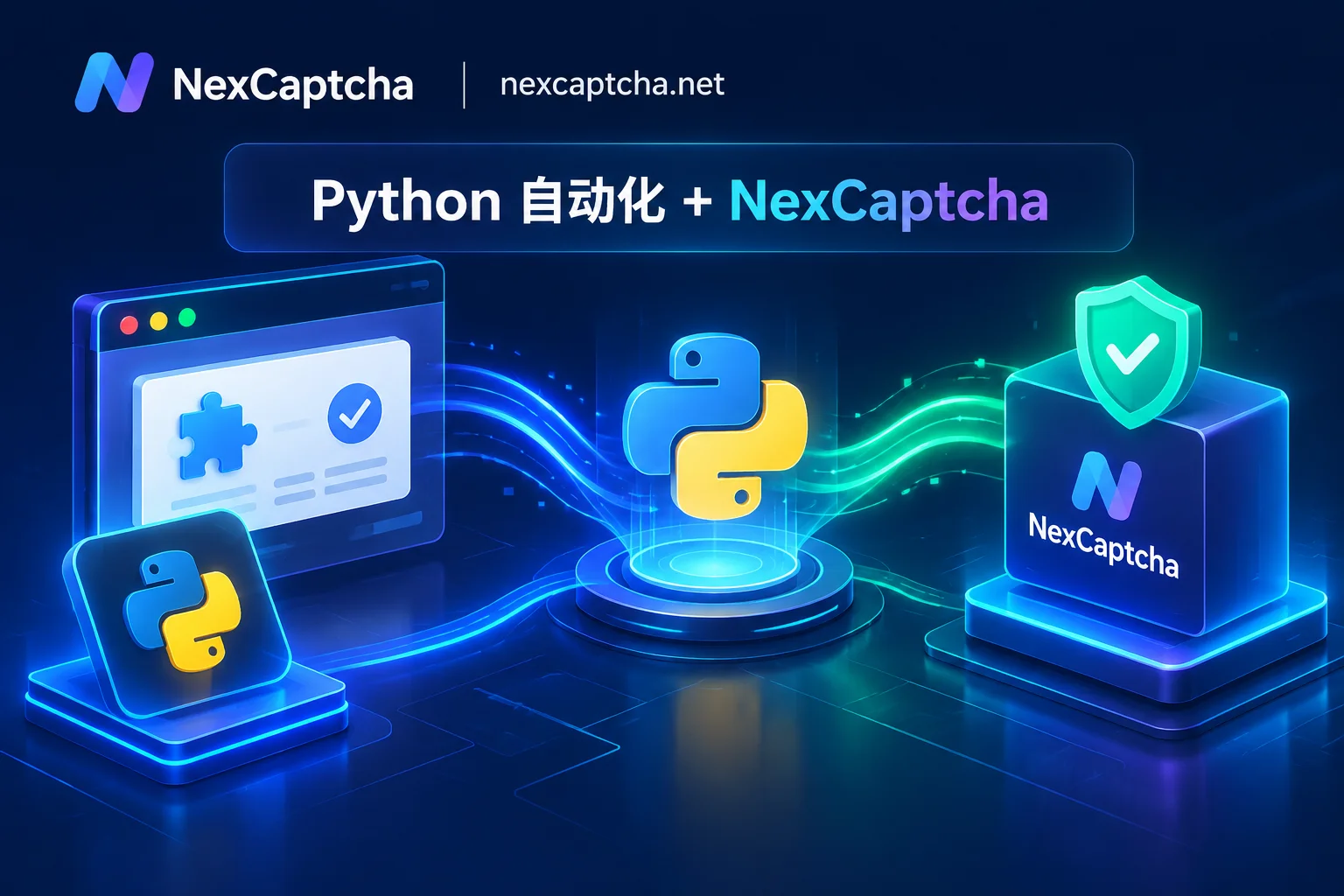
A detailed guide on integrating a CAPTCHA recognition API into Python async automation architectures, covering an httpx-based create.cgi/query.cgi client wrapper, WebSocket real-time result push, Playwright browser session alignment, and engineering practices for smooth migration from traditional createTask platforms.
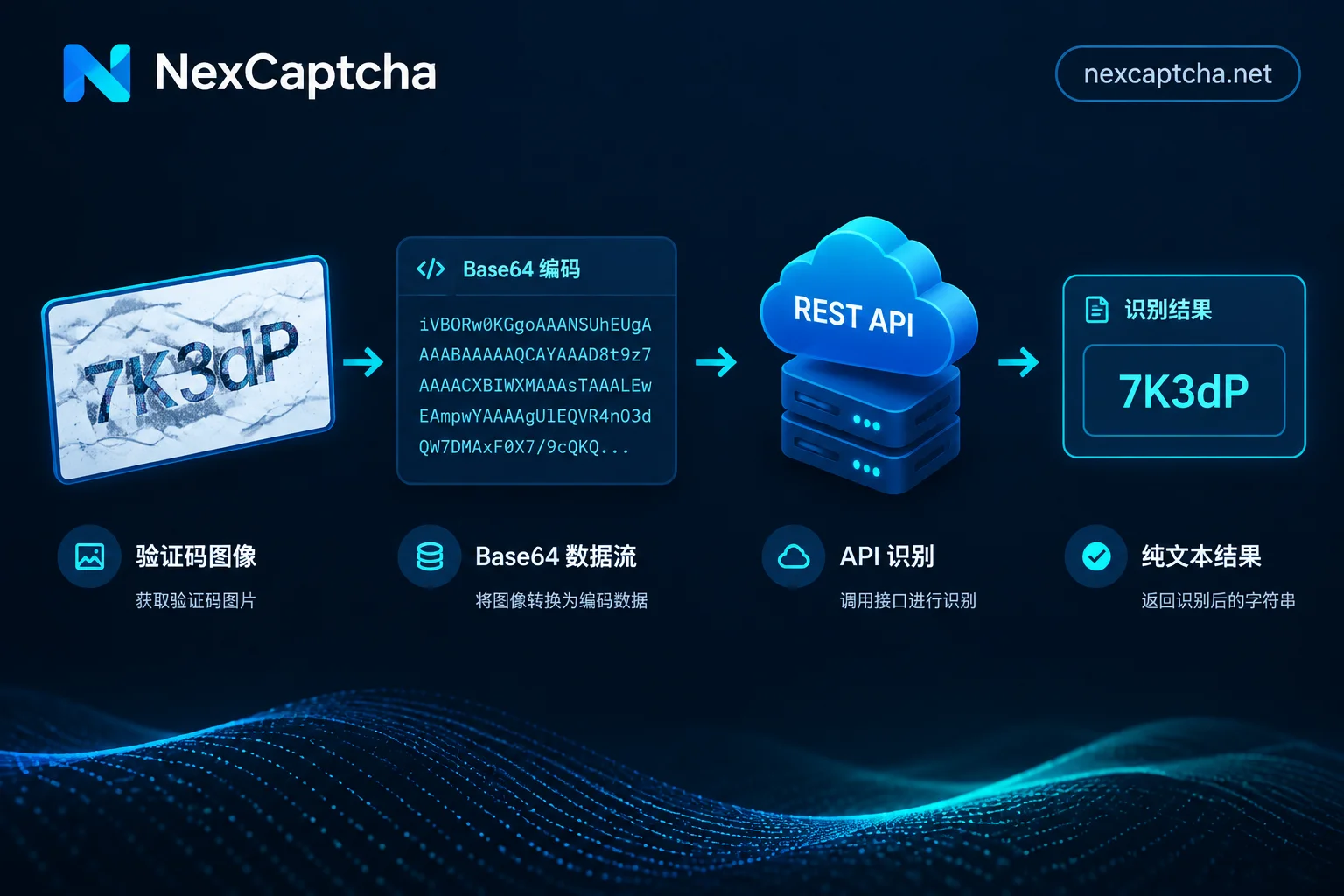
How to Integrate an Image CAPTCHA Recognition API: Base64 Standards, Parameter Configuration, and Session Persistence
The image CAPTCHA recognition API converts traditional character and math CAPTCHA images into text via a REST interface. Integration requires handling Base64 encoding standards, configuring tuning parameters like case/numeric/math, understanding the createTask workflow, and most critically, maintaining session consistency in automated scenarios such as Playwright/Selenium to avoid CAPTCHA-session mismatch and business failures.
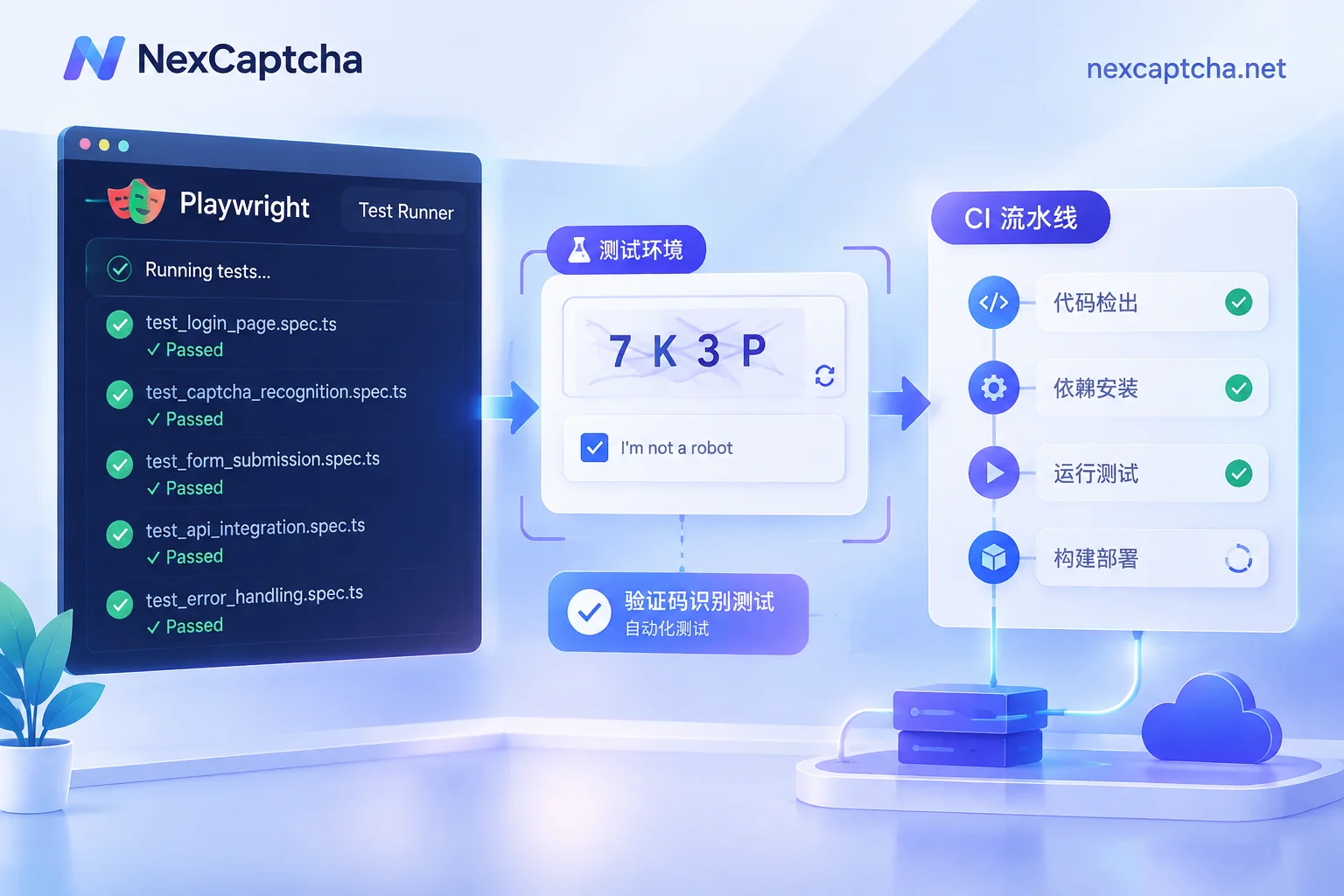
How to Do Playwright CAPTCHA Testing: Test Keys, Environment Isolation, and Real CAPTCHA Integration
When handling reCAPTCHA and Turnstile CAPTCHAs in Playwright, you can choose a solution based on the scenario. For E2E and CI regression of your own system, prioritize official test keys or environment switches to make test results stable and predictable. Only when pre-release smoke tests or authorized integration must face real CAPTCHAs, integrate an external recognition service and split assertions into two layers: "obtaining the token" and "completing the business flow."
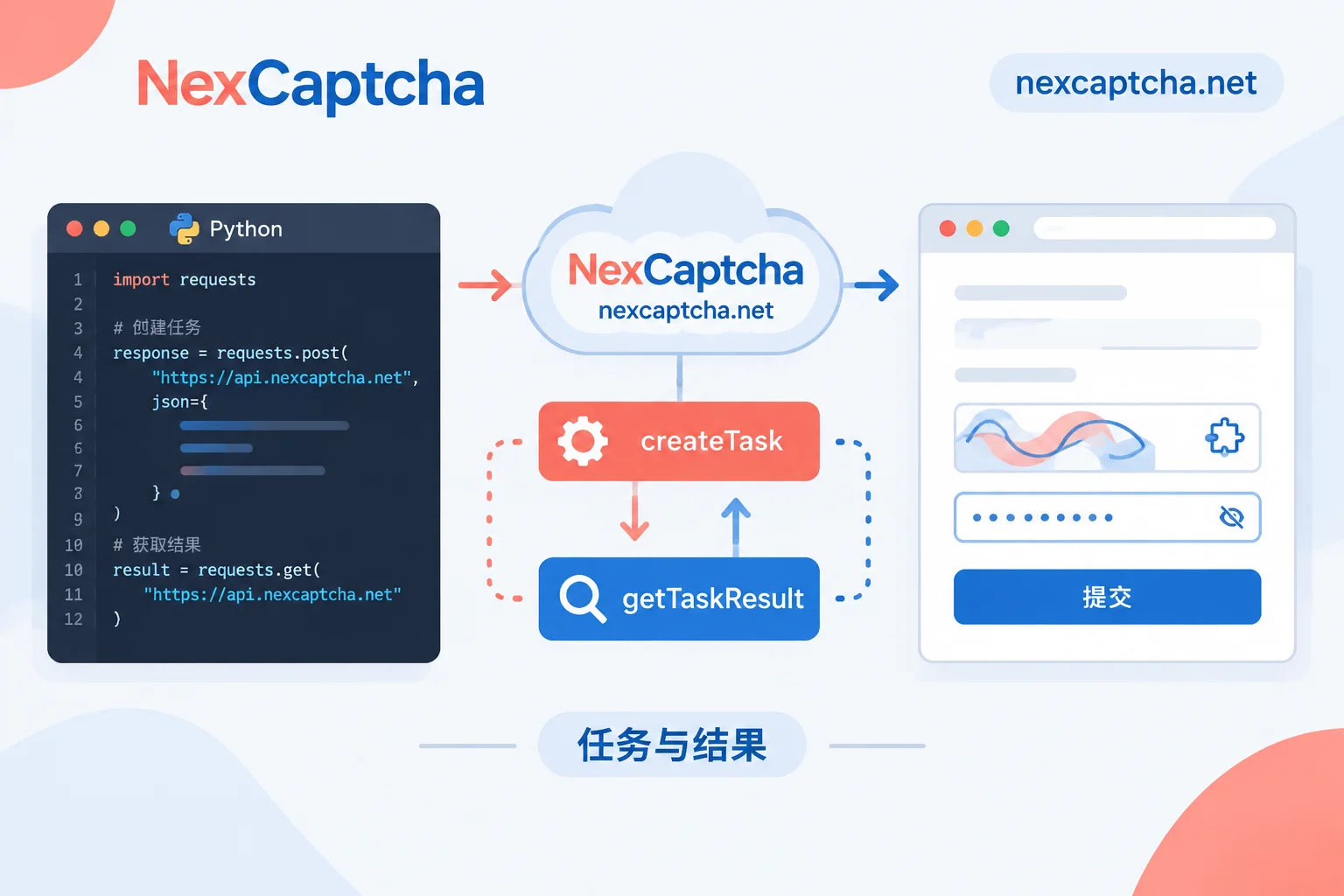
Python CAPTCHA Recognition API Integration: Task Submission, Polling, Error Handling, and Result Injection
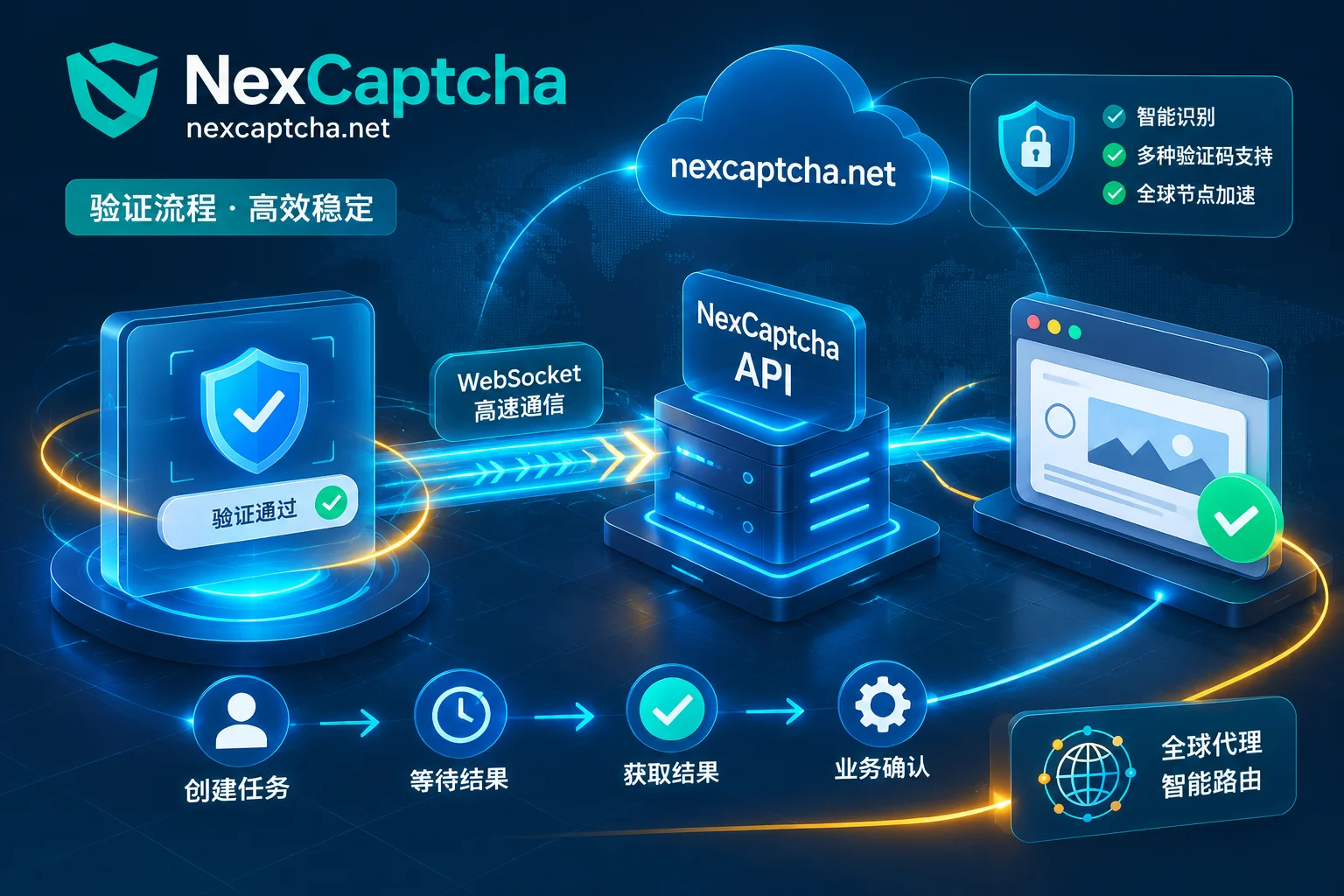
This article guides Python developers on using the requests library to integrate a CAPTCHA recognition API via a two-phase process: submitting a task and polling for the result. It covers parameter differences between image CAPTCHAs and token-based CAPTCHAs, timeout and error code handling, and how to inject tokens in Selenium/Playwright. It also clarifies the distinction between 'API returning a result' and 'target site accepting it', helping with troubleshooting.
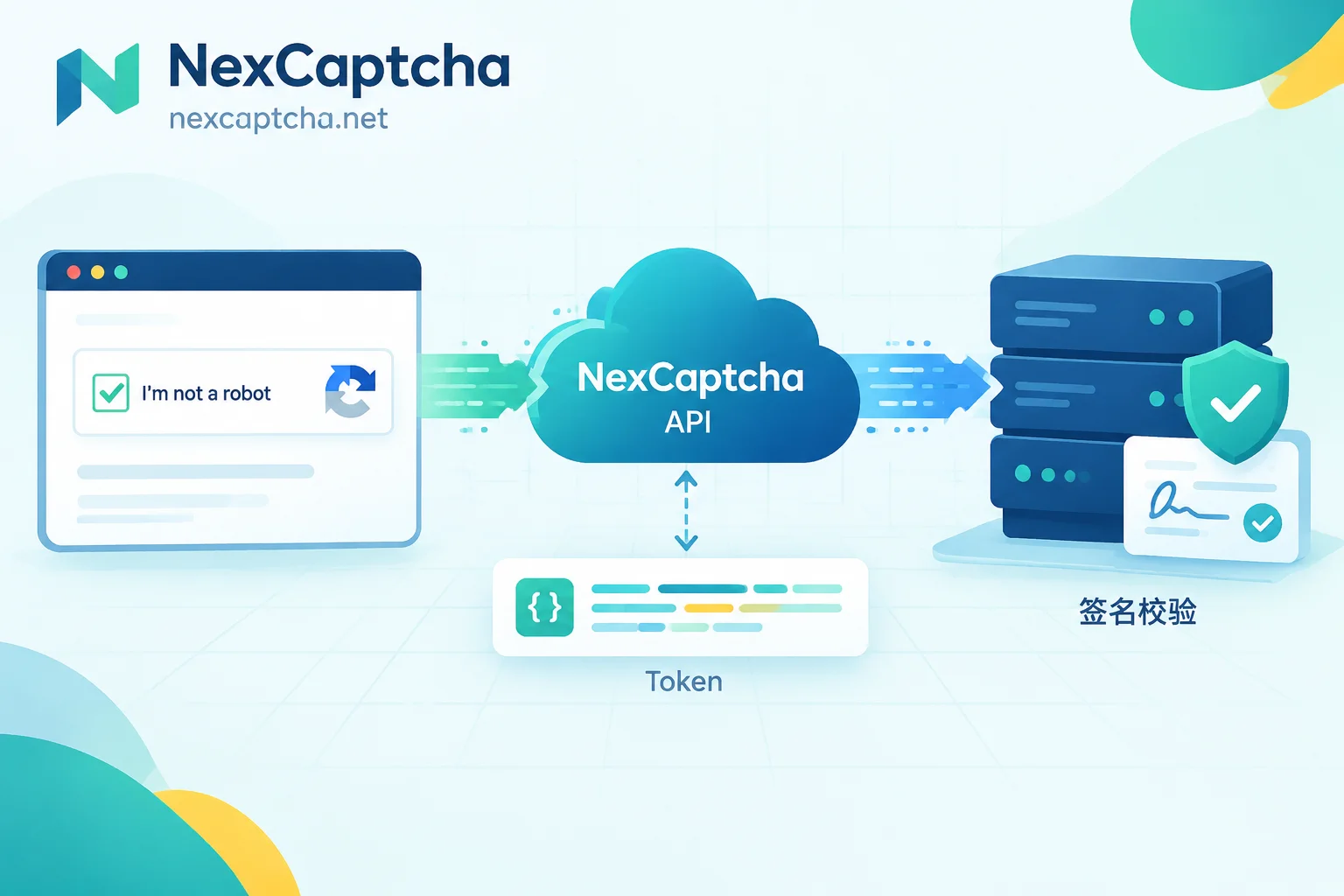
How Google reCAPTCHA Works and How to Build a Fully Automated Pipeline with a CAPTCHA Solving API
Break down the three-stage structure of reCAPTCHA v2, v3, and Enterprise—behavior collection, token issuance, and server-side verification—then provide a complete loop for integrating a recognition API in Playwright/Selenium: extract sitekey and action, create a task, poll for the result, inject g-recaptcha-response and trigger the callback, and validate the business result after submission, with layered troubleshooting for common failures and tool boundaries.