
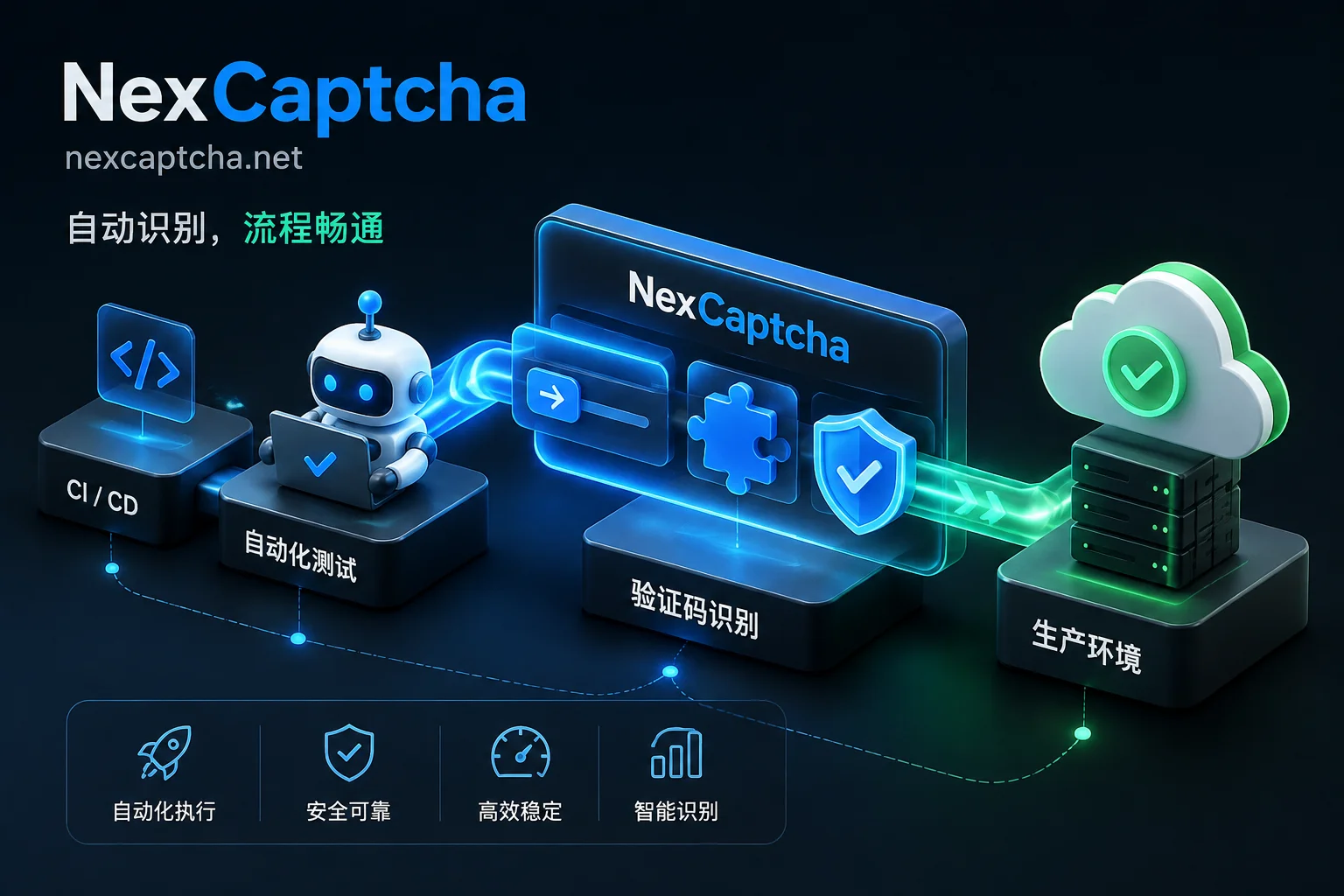
Automated Test CAPTCHA Handling Architecture in Practice: Unified Scheduling for CI/CD Regression, Staging Integration, and Production Inspection
As quality shifts left and production synthetic monitoring becomes widespread, relying solely on test environment whitelists can no longer meet the CAPTCHA handling needs of automated testing in staging and production inspections. This article deconstructs from an engineering architecture perspective the three-tier environment routing strategy, unified CAPTCHA handler design, session isolation mechanism, and how to integrate recognition APIs and managed MCP services to achieve high-stability full-link regression.
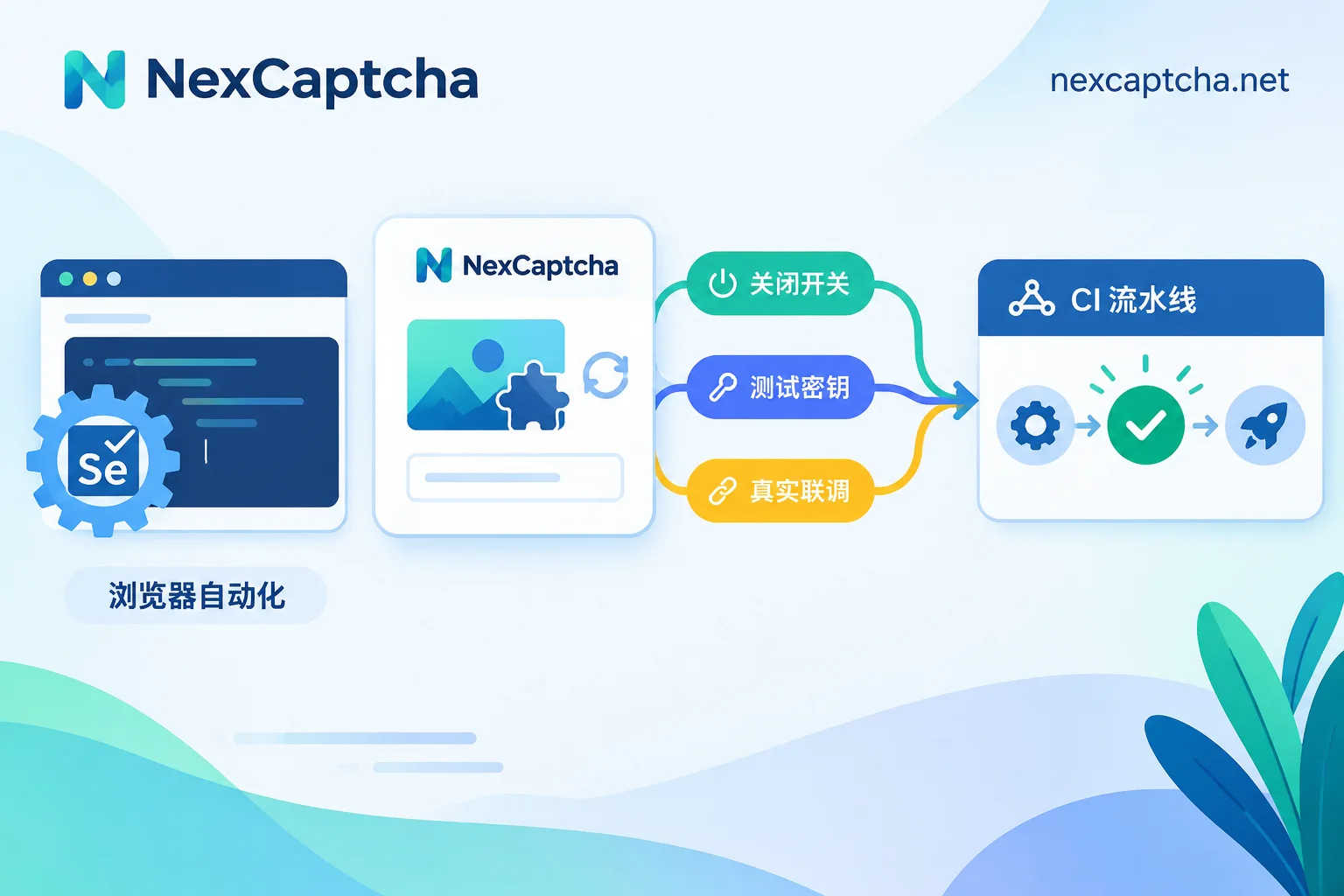
How to Do Selenium CAPTCHA Testing: Layered Approach with Feature Flags, Official Test Keys, and Real Integration
When encountering CAPTCHAs in Selenium automated testing, handle them by test layer: use environment flags or official test keys for reCAPTCHA, Turnstile, and hCaptcha in daily CI to ensure stable results; for pre-release or canary environments where real CAPTCHAs must be faced, use a small number of smoke tests with recognition APIs to complete parameter extraction, token injection, callback triggering, and business assertions.
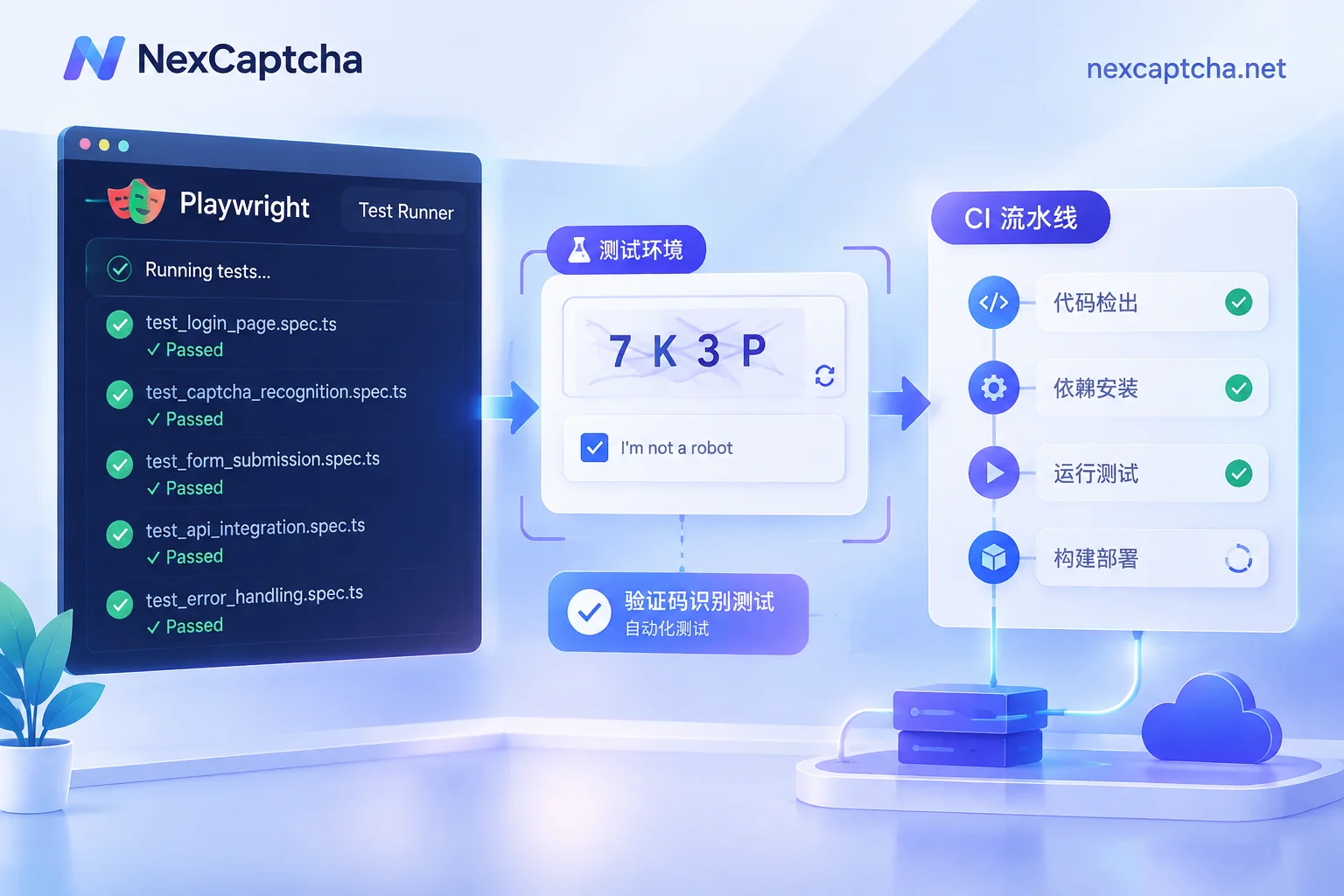
How to Do Playwright CAPTCHA Testing: Test Keys, Environment Isolation, and Real CAPTCHA Integration
When handling reCAPTCHA and Turnstile CAPTCHAs in Playwright, you can choose a solution based on the scenario. For E2E and CI regression of your own system, prioritize official test keys or environment switches to make test results stable and predictable. Only when pre-release smoke tests or authorized integration must face real CAPTCHAs, integrate an external recognition service and split assertions into two layers: "obtaining the token" and "completing the business flow."


