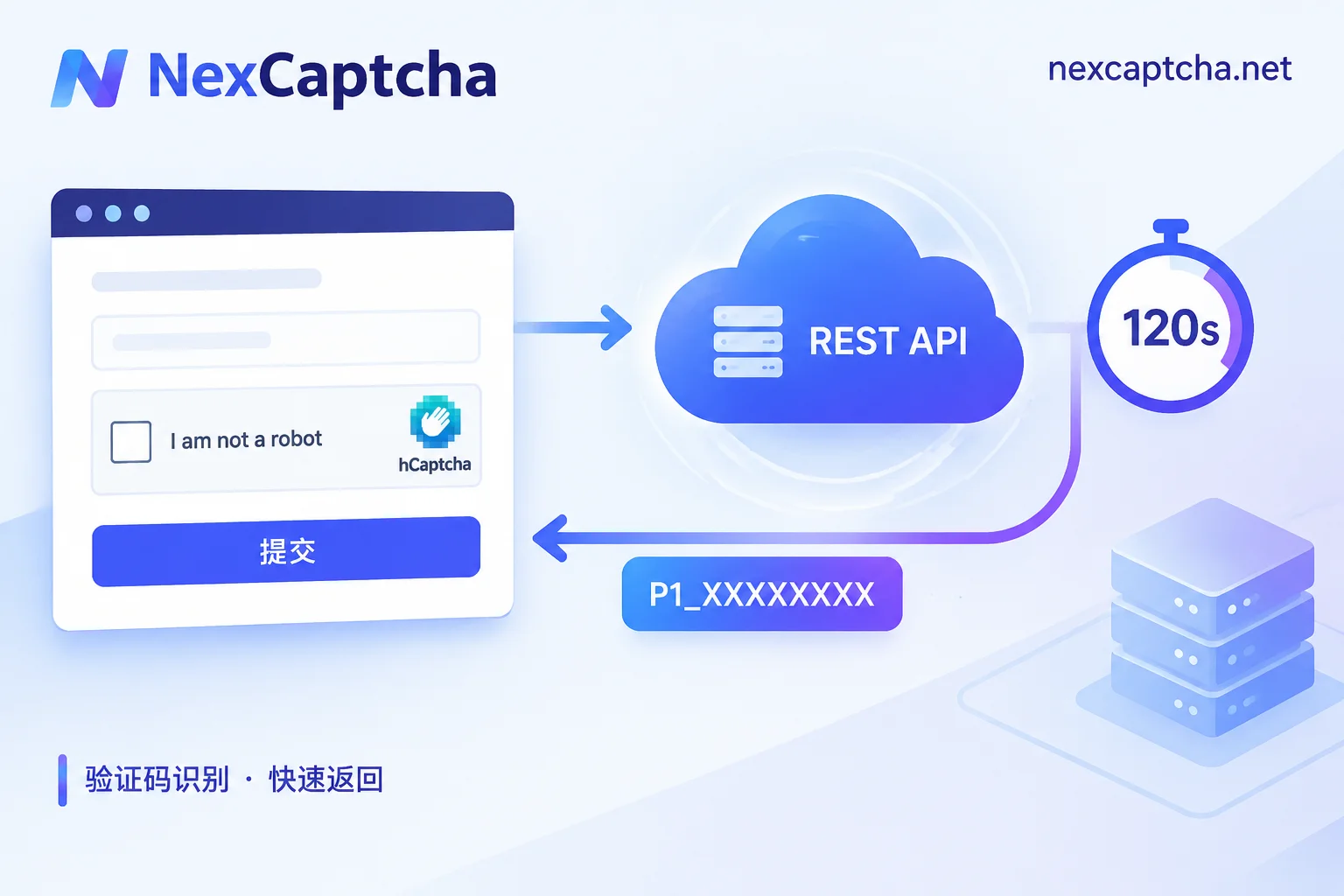
How to Integrate an hCaptcha Solving API: Parameters, Task Flow, Token Injection, and Rejection Troubleshooting
Explains how an hCaptcha solving API works: what parameters to prepare before submitting tasks, how to handle Enterprise rqdata, how to complete polling or callback within the ~120-second validity window, and how to inject tokens and trigger data-callback in Playwright, Puppeteer, or Selenium, plus the troubleshooting order when the service returns a token but the target site rejects it.
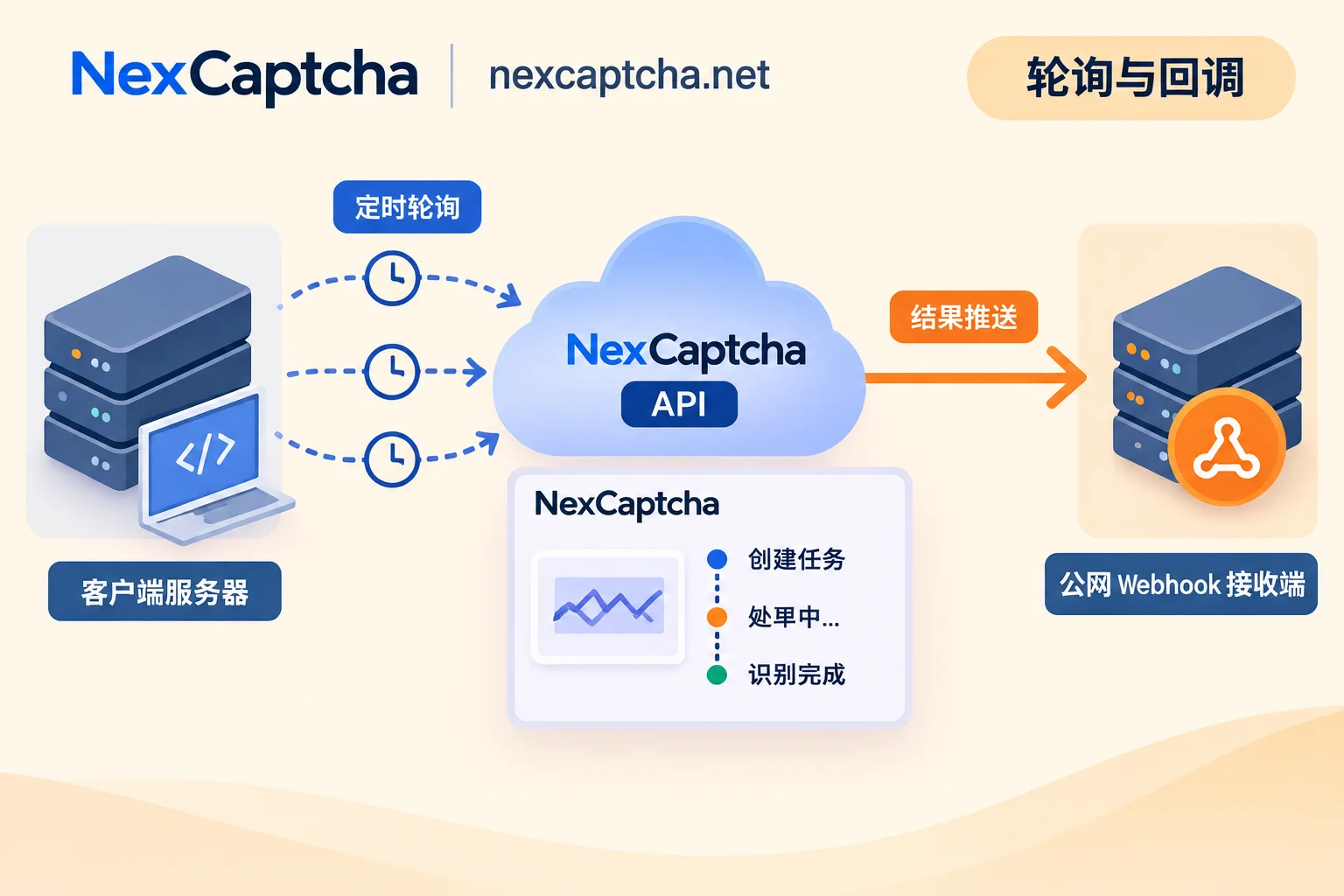
CAPTCHA API Polling vs Callback: Process, Latency, Deployment Requirements, and How to Choose
Polling and callback deliver the same recognition result—the difference is who notifies whom. This article compares the two across network conditions, latency, request volume, code structure, and fault tolerance, and explains which approach fits local scripts, browser automation, and distributed backends.
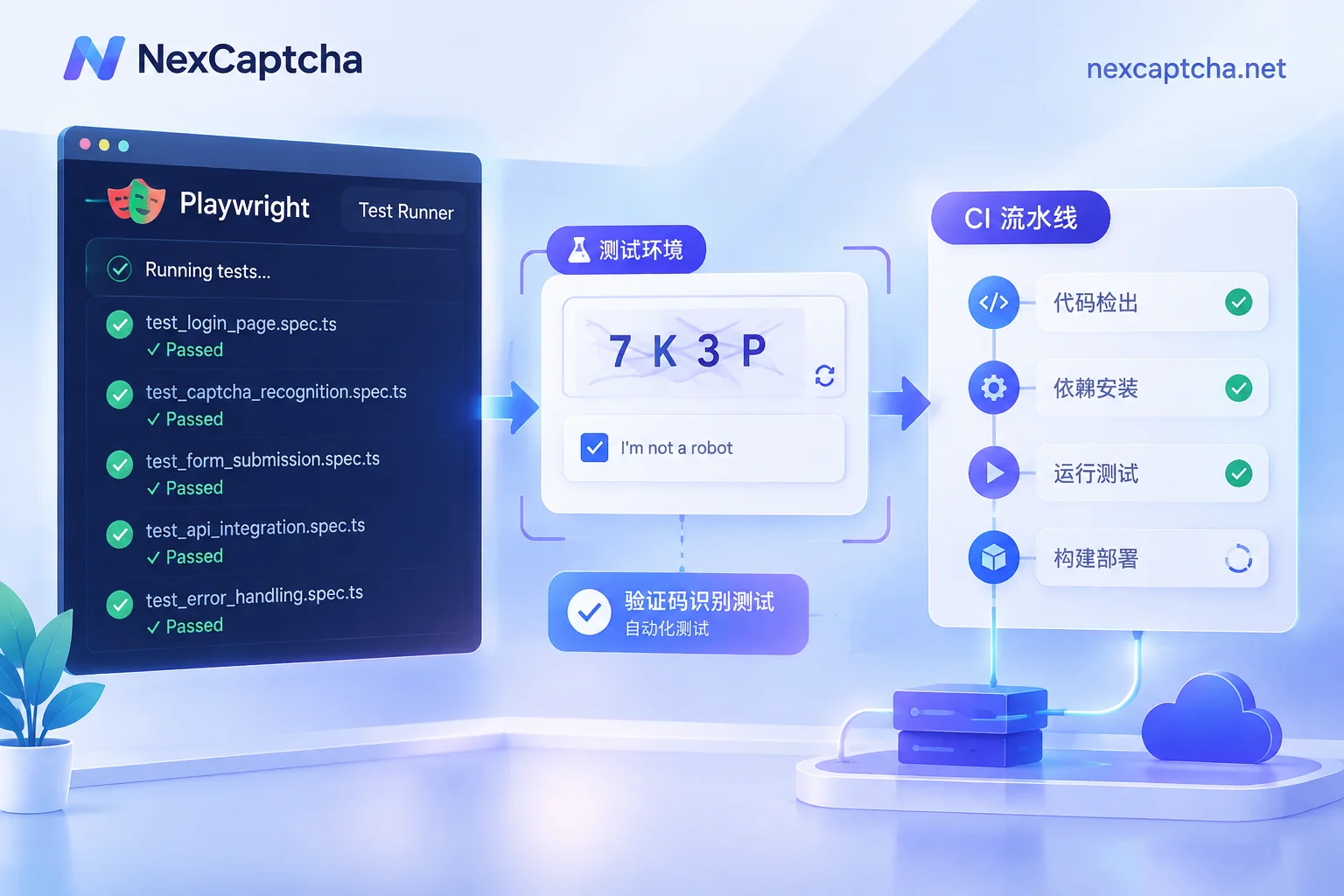
How to Do Playwright CAPTCHA Testing: Test Keys, Environment Isolation, and Real CAPTCHA Integration
When handling reCAPTCHA and Turnstile CAPTCHAs in Playwright, you can choose a solution based on the scenario. For E2E and CI regression of your own system, prioritize official test keys or environment switches to make test results stable and predictable. Only when pre-release smoke tests or authorized integration must face real CAPTCHAs, integrate an external recognition service and split assertions into two layers: "obtaining the token" and "completing the business flow."
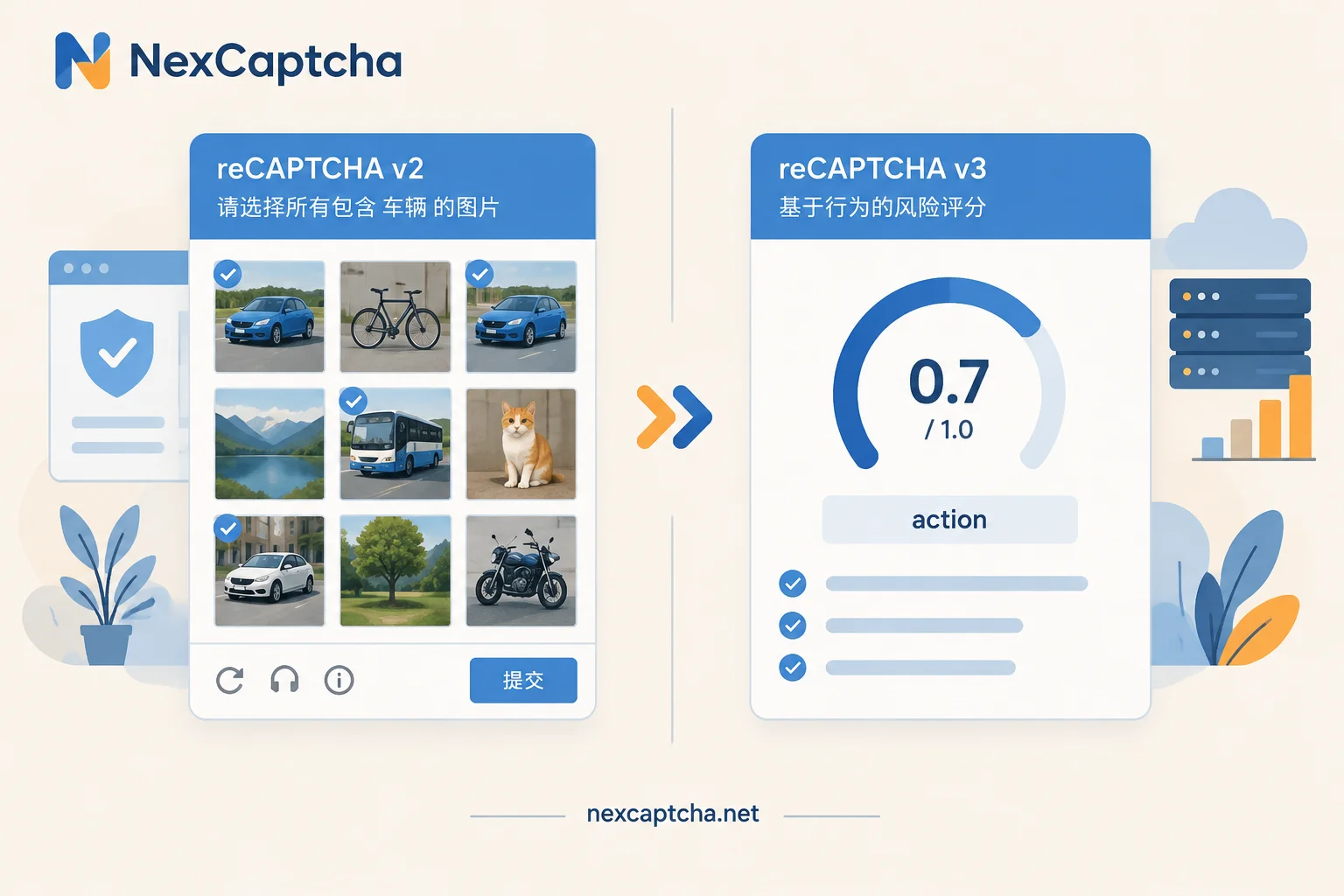
reCAPTCHA v2 vs v3: Interaction, Backend Verification, and Automation Handling
reCAPTCHA v2 requires user interaction and returns only pass or fail; v3 is unobtrusive and returns a 0.0–1.0 risk score plus an action label, with your backend deciding whether to allow. This article compares the two in terms of frontend behavior, siteverify responses, token rules, selection, hybrid solutions, and automation handling, and lists common pitfalls during implementation.
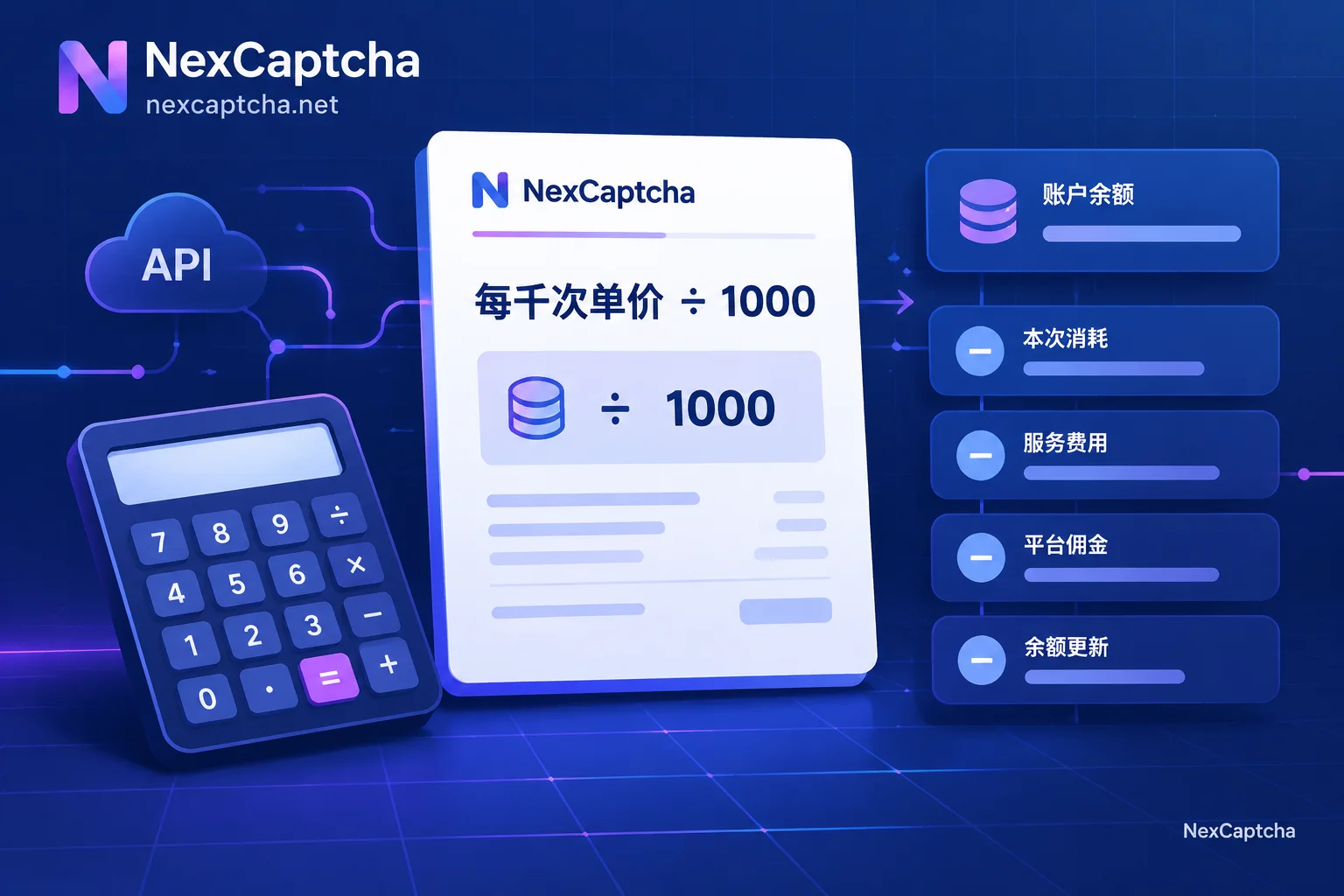
How CAPTCHA API Per-1000 Pricing Works: Billing Formula, Refund Policy, and True Effective Unit Price
CAPTCHA recognition API per-1000 pricing typically divides the per-1000 rate by 1000 and charges per successful recognition; failed tasks are usually not charged or the pre-authorized amount is refunded. This article explains the billing trigger, refund policy, price differences by CAPTCHA type, volume discounts, and how to calculate the true effective unit price based on business success count, including extra costs from retries, score thresholds, proxies, and session issues.