
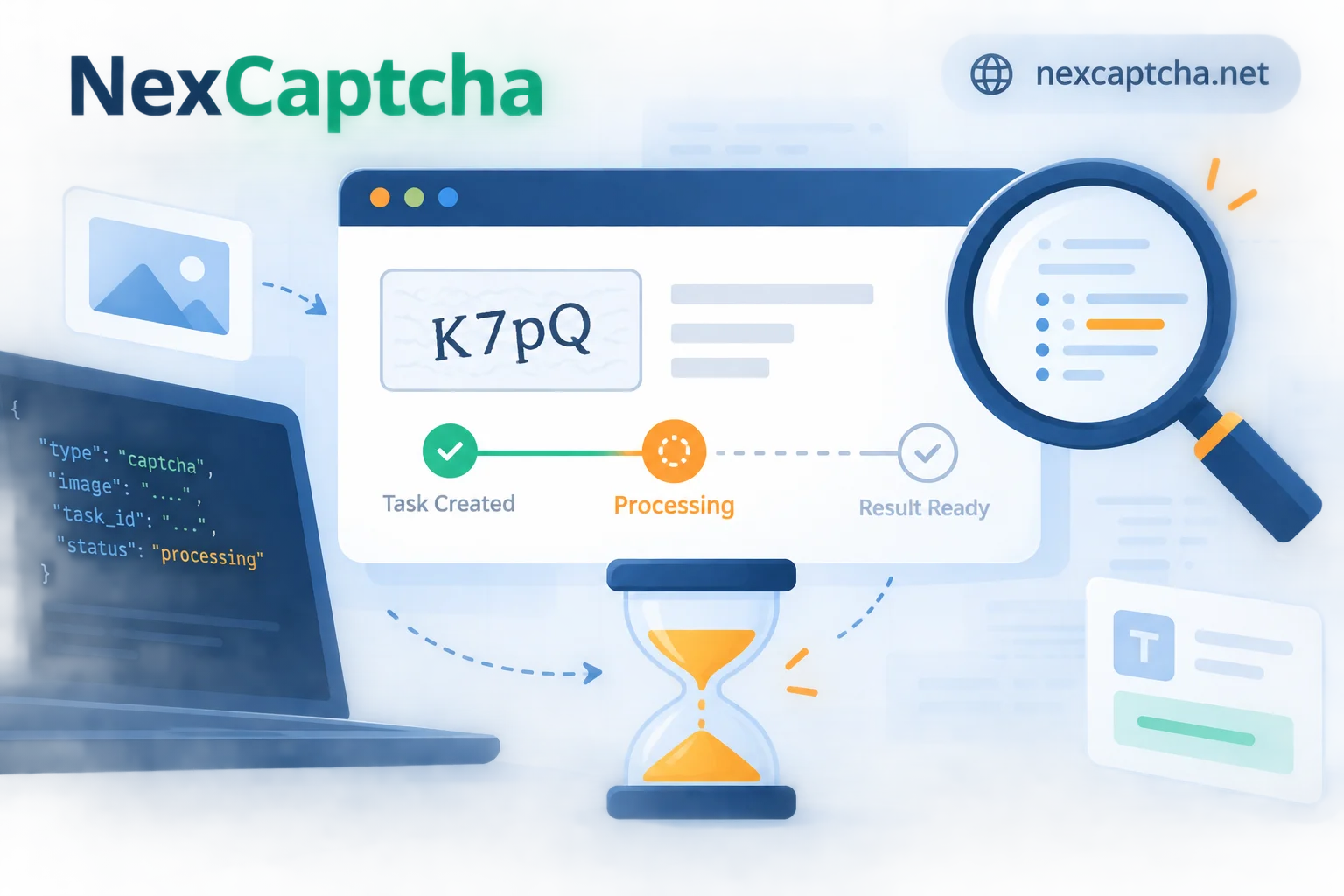
Captcha Tasks Stuck in Processing: Distinguish \"Slow\" from \"Stuck\" and Troubleshoot in Order
When a captcha task keeps returning processing, the common causes fall into four categories: Token-type tasks are inherently slow, the polling code is flawed, the task parameters contain soft errors, or the proxy or target site has an issue. This article gives you the judgment methods, troubleshooting order, polling pseudocode with an overall timeout, and how to retry and stop losses after a timeout.
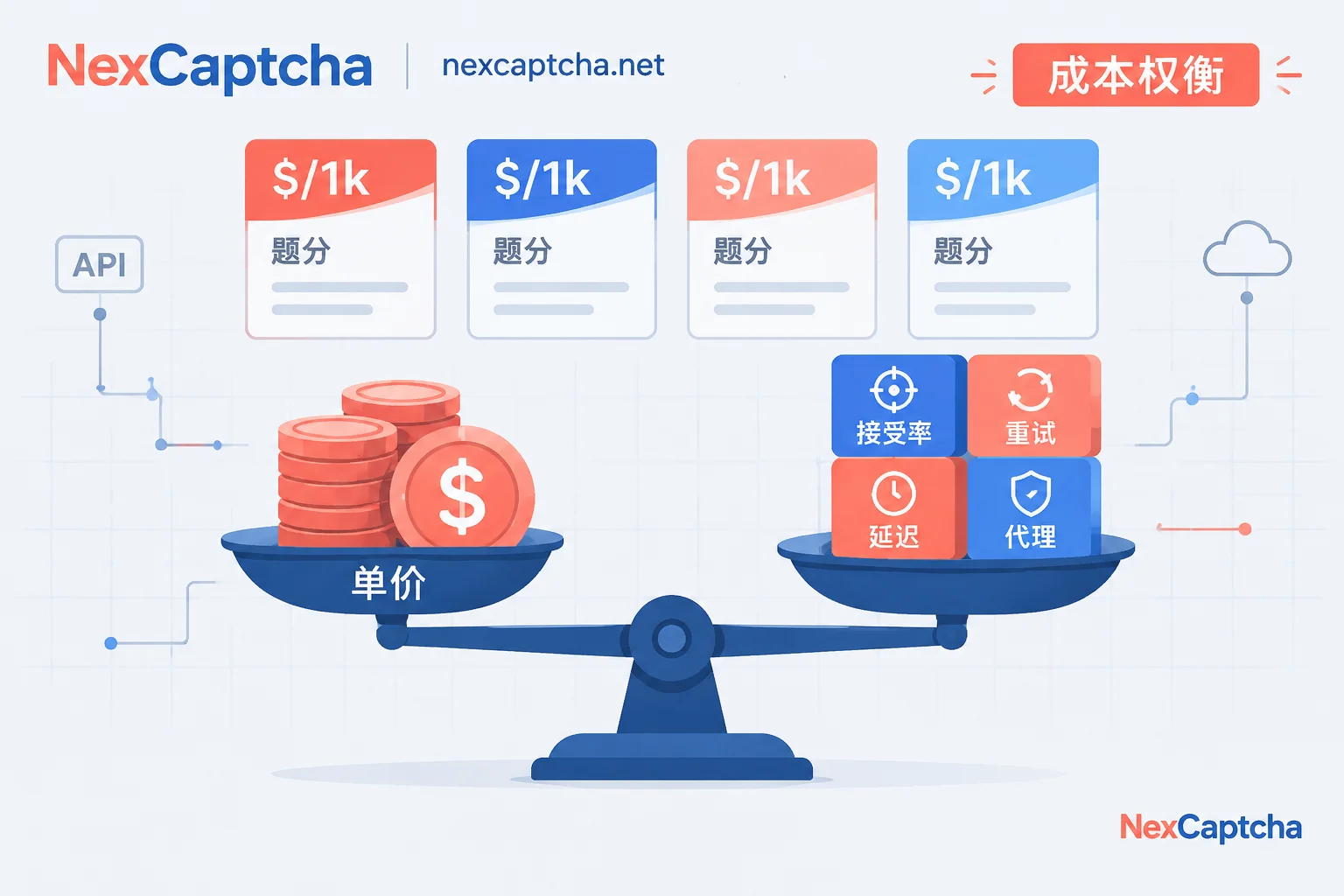
CAPTCHA Service Pricing Comparison: Public Quotes, Billing Metrics, and Real Cost Calculation
This article compares public pricing ranges for 2Captcha, CapSolver, Anti-Captcha, CapMonster Cloud, and Chaojiying (Super Eagle) by CAPTCHA type, explains differences between per-thousand billing, credit systems, pay-per-success, and dynamic pricing, and provides a method to calculate cost per successful business action along with a hypothetical example and small-scale A/B testing steps to determine which platform is actually more cost-effective for your use case.
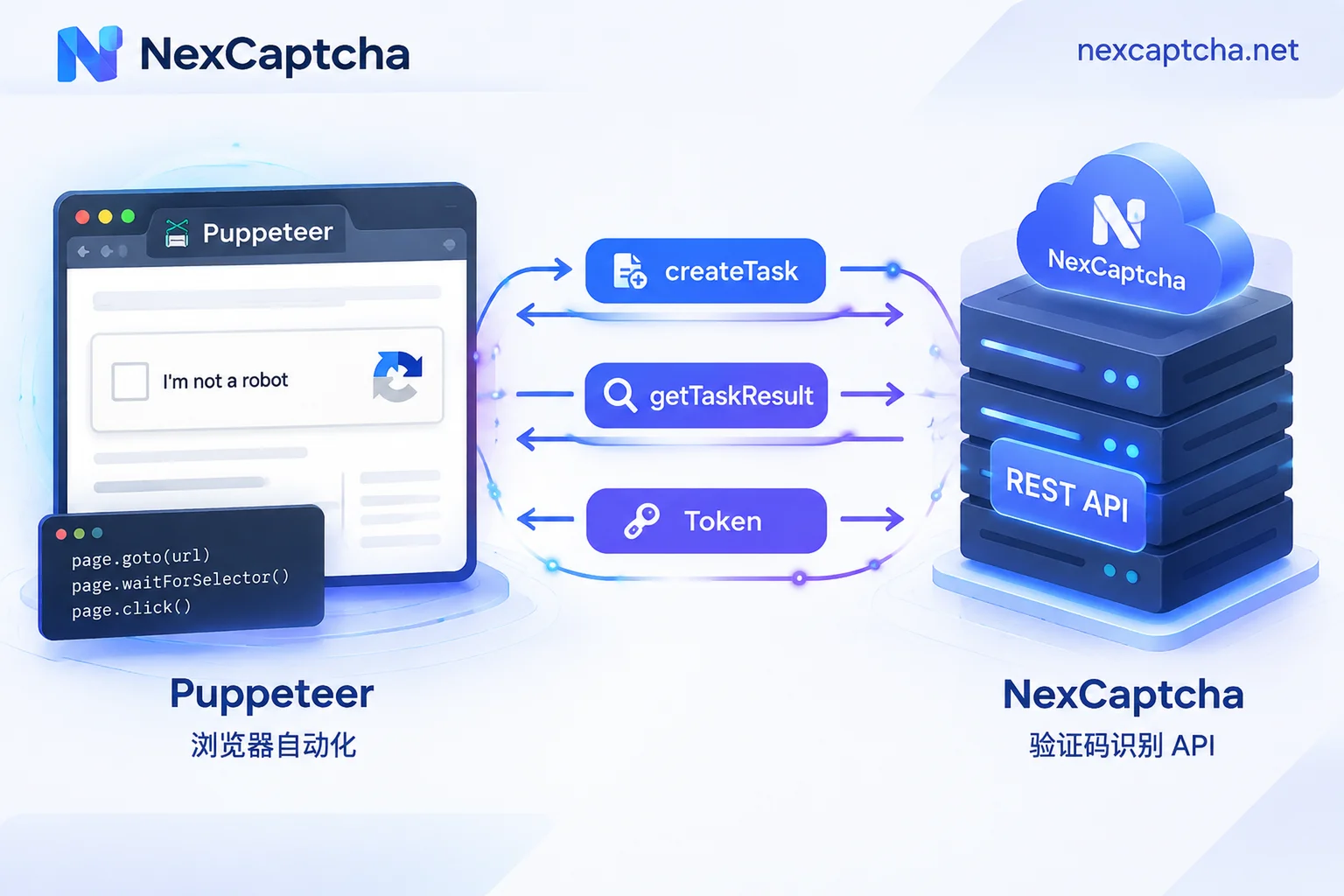
How to Integrate a Puppeteer CAPTCHA API: From Parameter Extraction and Token Injection to Troubleshooting Target Site Rejection
A complete guide to integrating a CAPTCHA recognition REST API with Puppeteer: dynamically extract parameters like sitekey, create tasks and poll results, inject tokens into the DOM via page.evaluate and trigger frontend callbacks, and troubleshoot the four common reasons a target site still rejects a returned token—expiry, callback not fired, IP mismatch, and automation fingerprint.
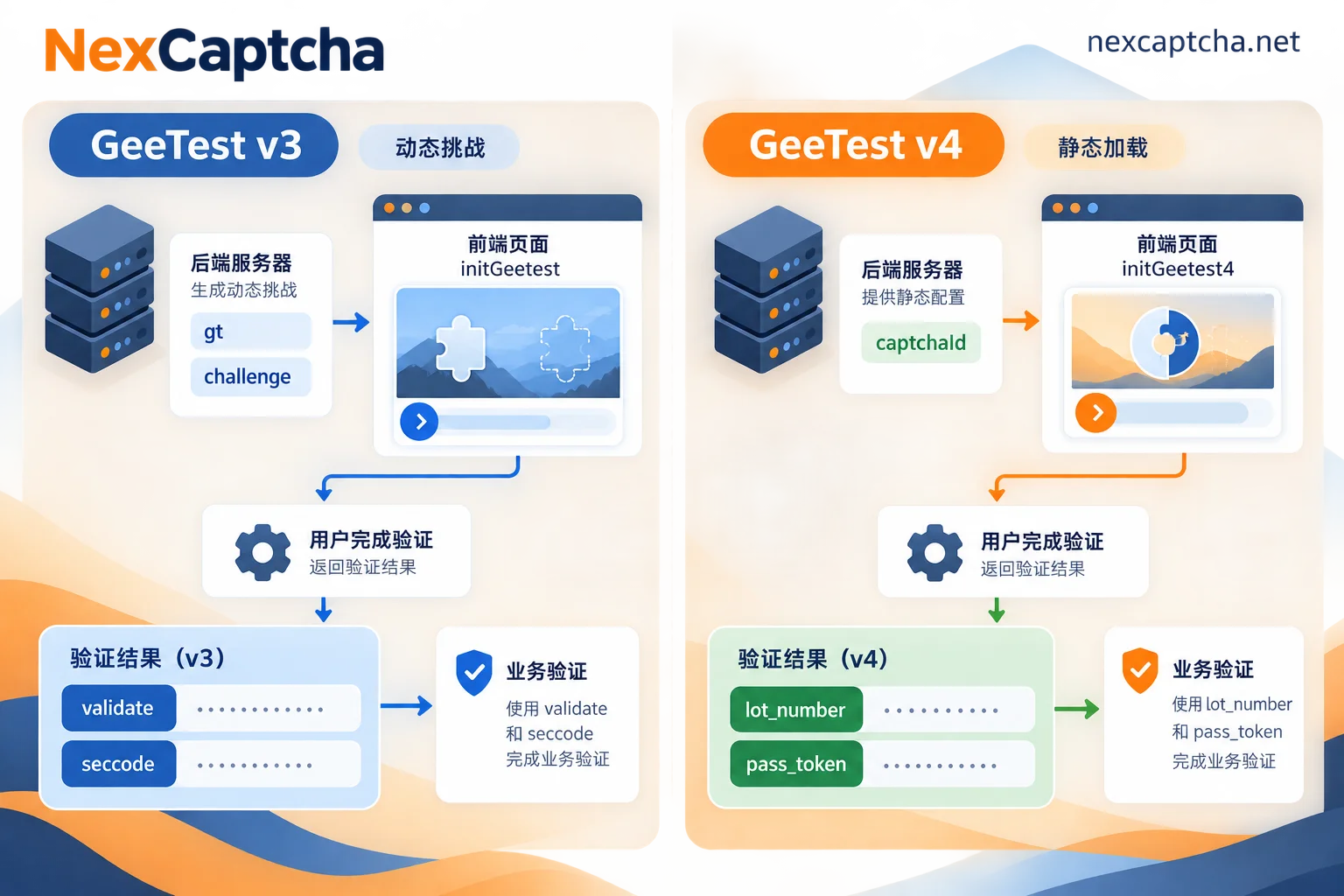
GeeTest v3 vs v4: Differences in Initialization, Parameters, Secondary Validation, and Automation Integration Architecture
GeeTest v3 and v4 are two independent architectures: v3 requires server-generated dynamic challenge, client initialization with gt and challenge, and returns validate and seccode; v4 removes request stickiness, uses static captcha_id, introduces adaptive verification, and returns lot_number, pass_token, captcha_output, and gen_time, with server-side HMAC-SHA256 validation.
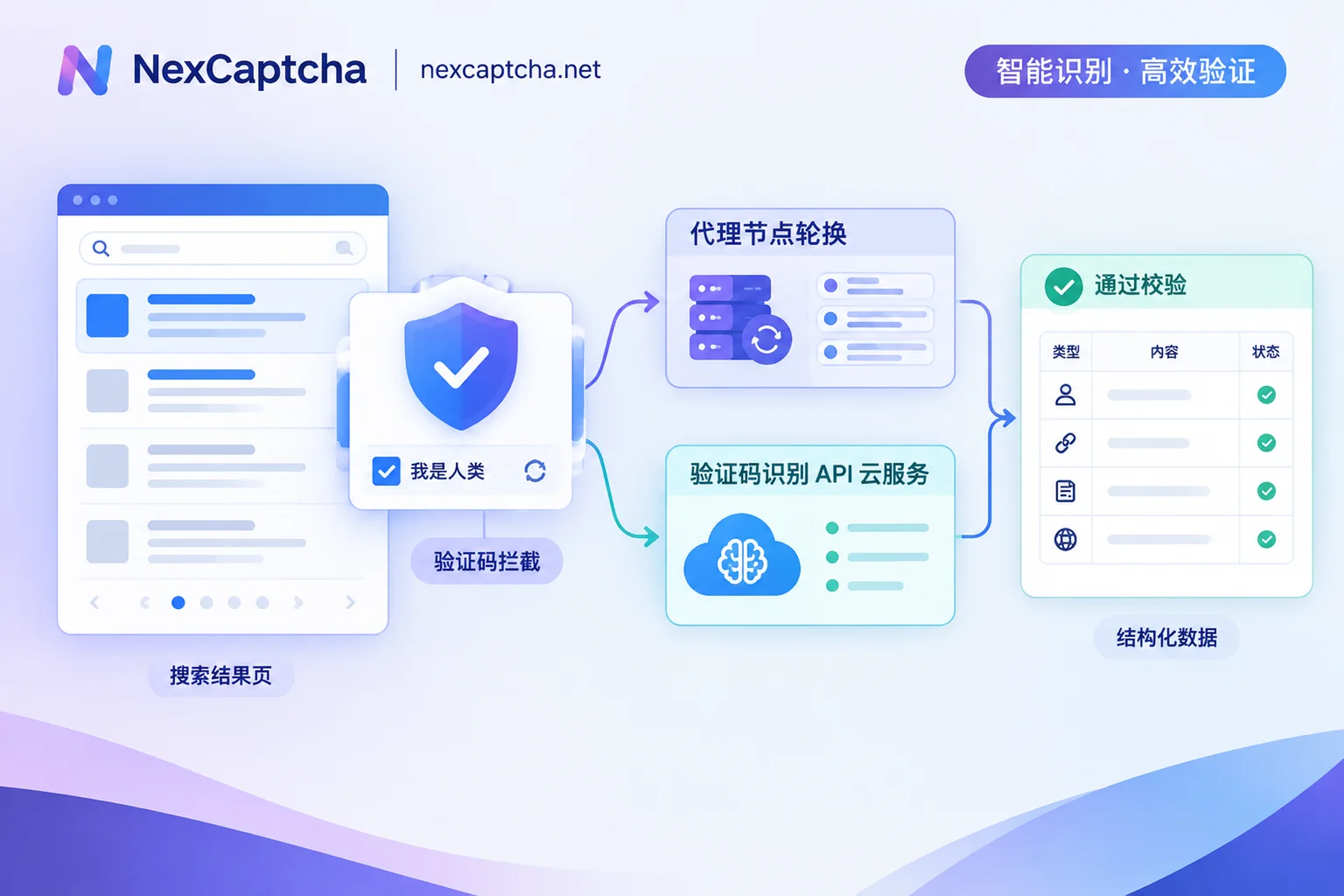
How to Handle CAPTCHAs in SERP Collection: Interception Detection, IP Switching vs. Solving, Token Rejection, and Data Validation
This article guides large-scale SERP collection teams on identifying Google /sorry/ interception pages, choosing between isolating and switching IPs versus solving CAPTCHAs in place, ensuring three context consistencies for solving, troubleshooting token rejection, and validating SERP data after receiving HTTP 200.