只是一个默认分类
How to Choose a 2Captcha Alternative: Latency, Cost, API Differences, and Low-Risk Migration Steps
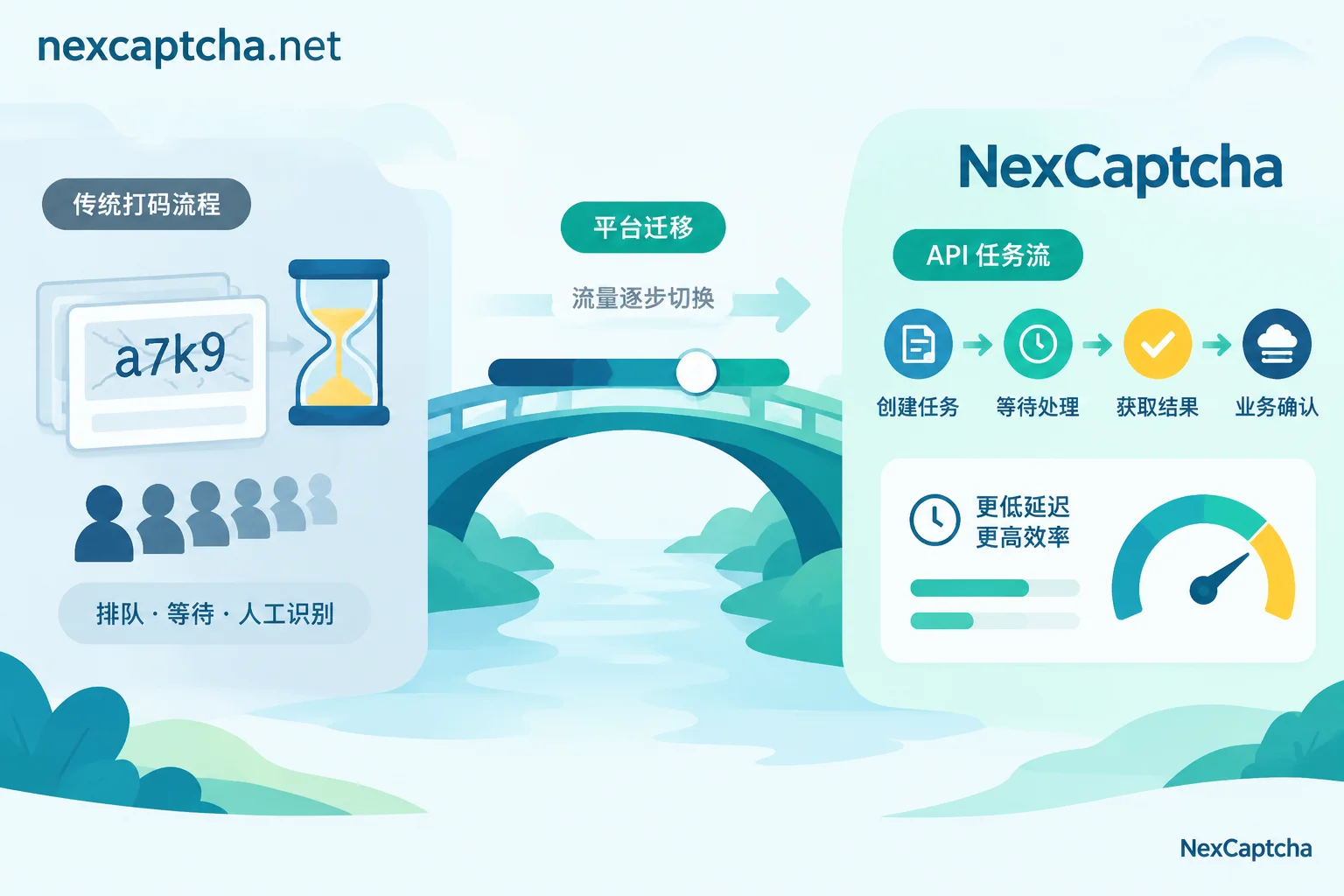
Explains when it's worth replacing 2Captcha, the main categories of alternatives, and how to select using five dimensions: latency percentiles, target site acceptance rate, API protocol, billing metrics, and type coverage. It provides a cost-per-thousand-successful-solves formula and a step-by-step canary migration method to reduce switching risk.
Python CAPTCHA Recognition API Integration: Task Submission, Polling, Error Handling, and Result Injection
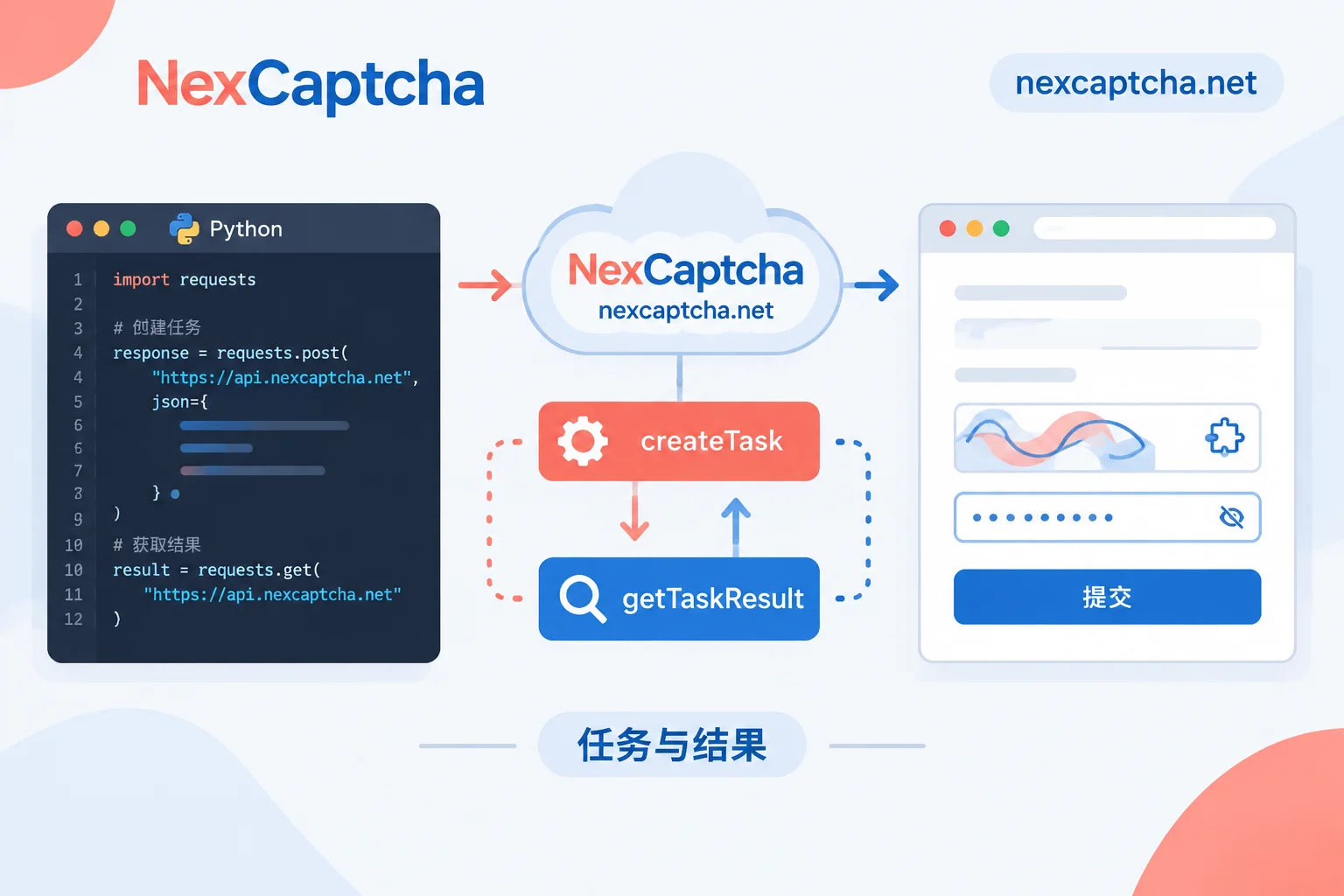
This article guides Python developers on using the requests library to integrate a CAPTCHA recognition API via a two-phase process: submitting a task and polling for the result. It covers parameter differences between image CAPTCHAs and token-based CAPTCHAs, timeout and error code handling, and how to inject tokens in Selenium/Playwright. It also clarifies the distinction between 'API returning a result' and 'target site accepting it', helping with troubleshooting.
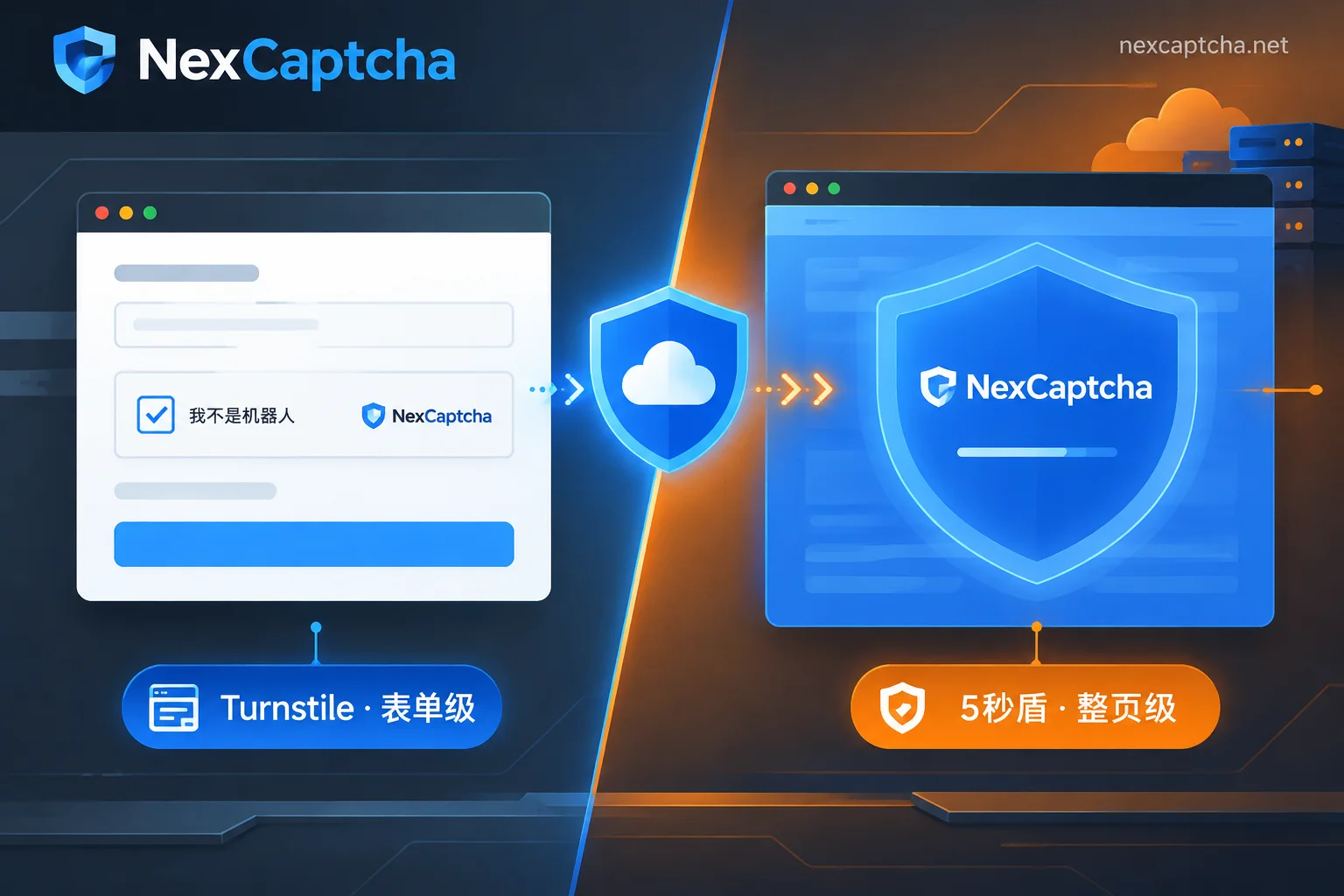
Turnstile vs 5-Second Shield: Trigger Location, Credentials, and Automation Handling Explained
Turnstile is an in-page widget that protects a single form or action and produces a short-lived token verified by the site's backend, while the '5-second shield' is a Cloudflare edge challenge page that gates the entire page and sets a cf_clearance cookie upon passing. This article explains their differences in protection layer, credentials, and verification party, provides on-site identification methods, and outlines different handling approaches for QA testing and automation integration.
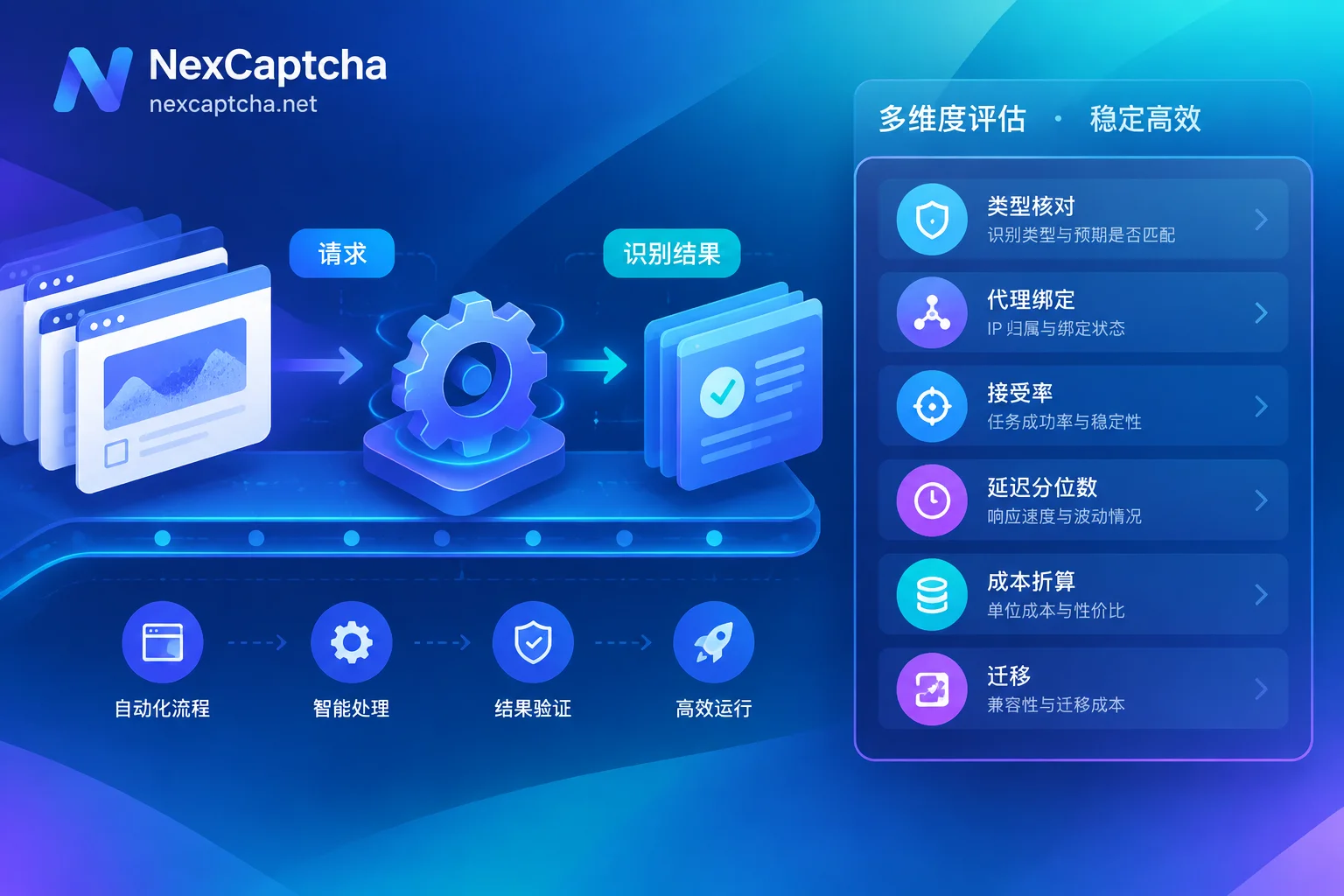
How to Choose a CAPTCHA Recognition API: Six-Step Evaluation from Type Verification to Small-Traffic Comparison
When choosing a CAPTCHA recognition API, unit price and advertised average latency are not enough for a decision. This article provides an actionable six-step sequence: verify actual CAPTCHA types and interaction depth, determine whether proxy/session binding is needed, measure success by target-site acceptance rate rather than API return rate, look at P50/P95 and end-to-end latency, calculate true cost per completed business action, and finally assess integration and migration costs, with a checklist for small-traffic comparison testing.
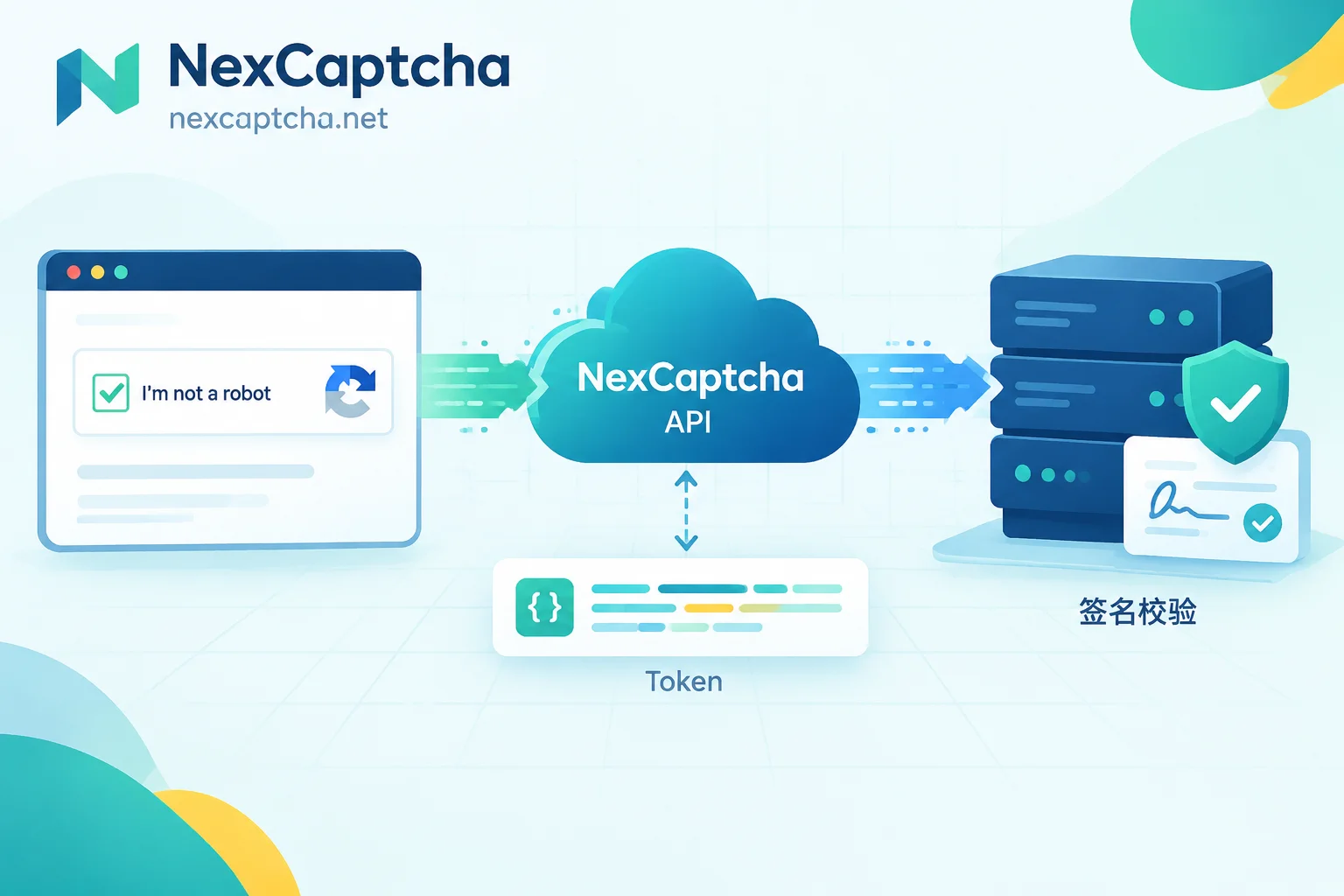
How Google reCAPTCHA Works and How to Build a Fully Automated Pipeline with a CAPTCHA Solving API
Break down the three-stage structure of reCAPTCHA v2, v3, and Enterprise—behavior collection, token issuance, and server-side verification—then provide a complete loop for integrating a recognition API in Playwright/Selenium: extract sitekey and action, create a task, poll for the result, inject g-recaptcha-response and trigger the callback, and validate the business result after submission, with layered troubleshooting for common failures and tool boundaries.