只是一个默认分类
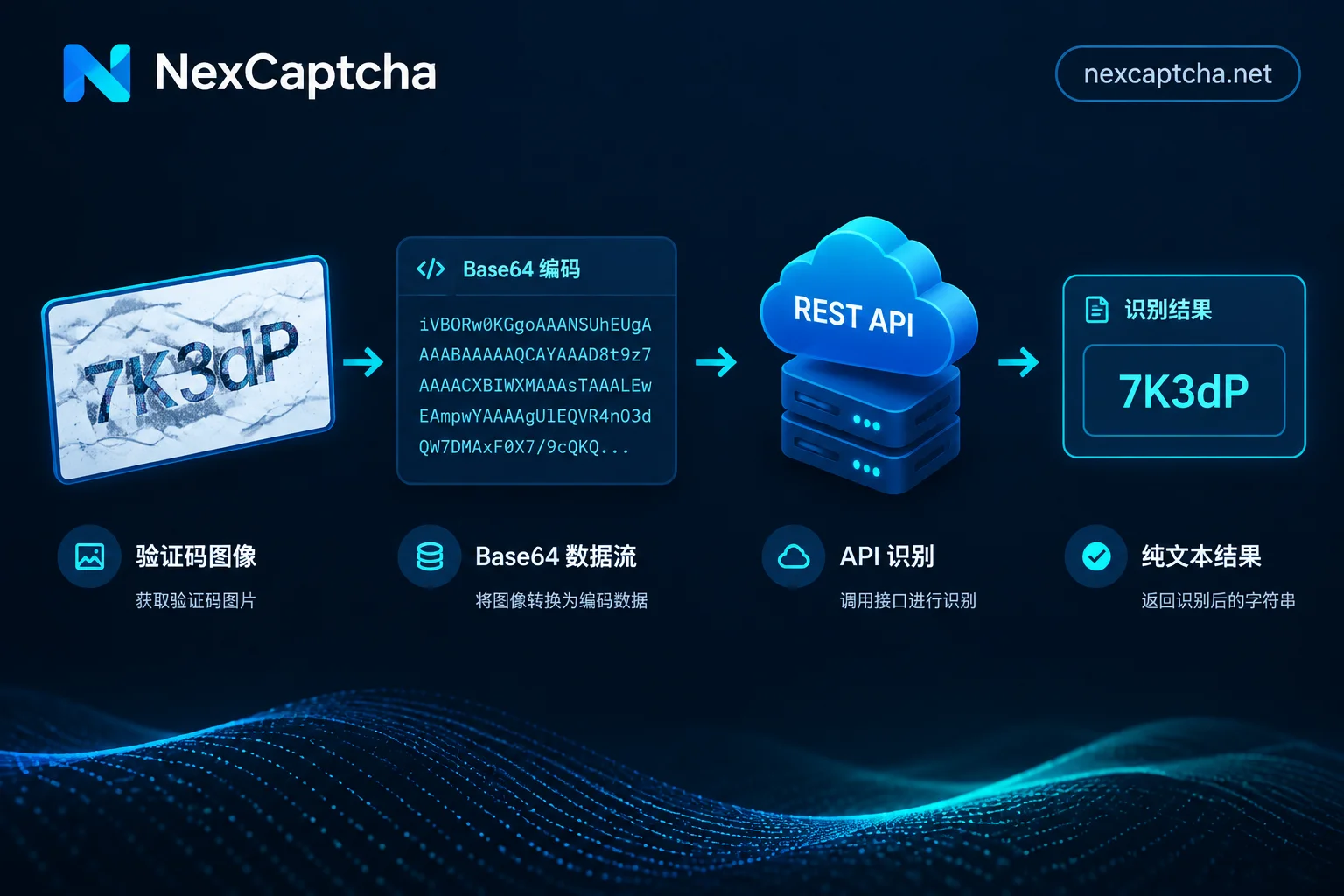
How to Integrate an Image CAPTCHA Recognition API: Base64 Standards, Parameter Configuration, and Session Persistence
The image CAPTCHA recognition API converts traditional character and math CAPTCHA images into text via a REST interface. Integration requires handling Base64 encoding standards, configuring tuning parameters like case/numeric/math, understanding the createTask workflow, and most critically, maintaining session consistency in automated scenarios such as Playwright/Selenium to avoid CAPTCHA-session mismatch and business failures.
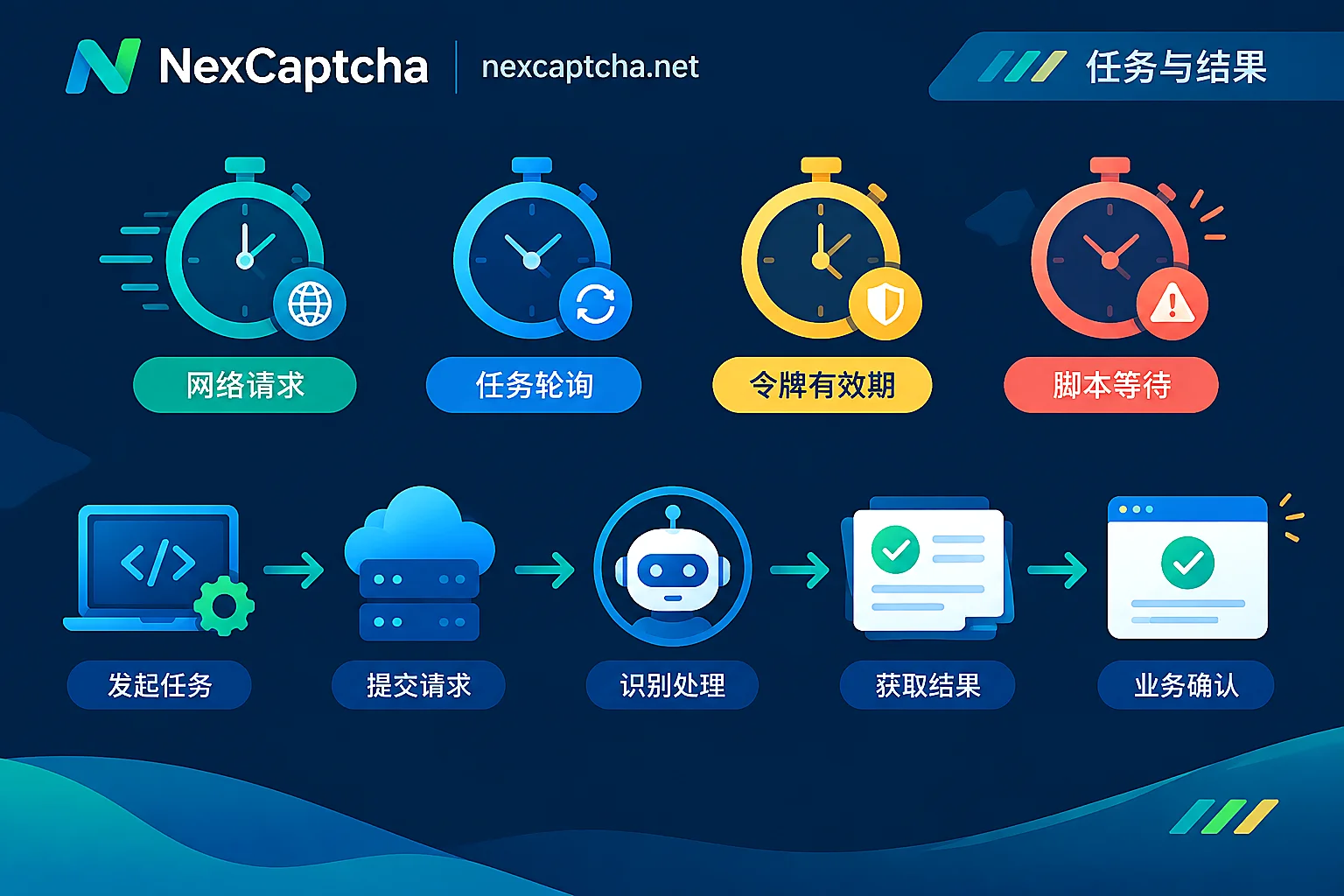
How to Handle CAPTCHA API Timeouts: Distinguish Four Types of Timeouts, Then Decide Retries, Stop-Loss, and Submission Timing
CAPTCHA API timeouts are usually not a single network issue. They can occur at four independent stages: HTTP request, task polling, token validity, and automation client. This article explains how to identify which one from logs, and the respective timeout budgets, polling intervals, idempotent retries, error code stop-loss, immediate token submission, and callback instead of polling, with reference pseudocode and log field checklist.
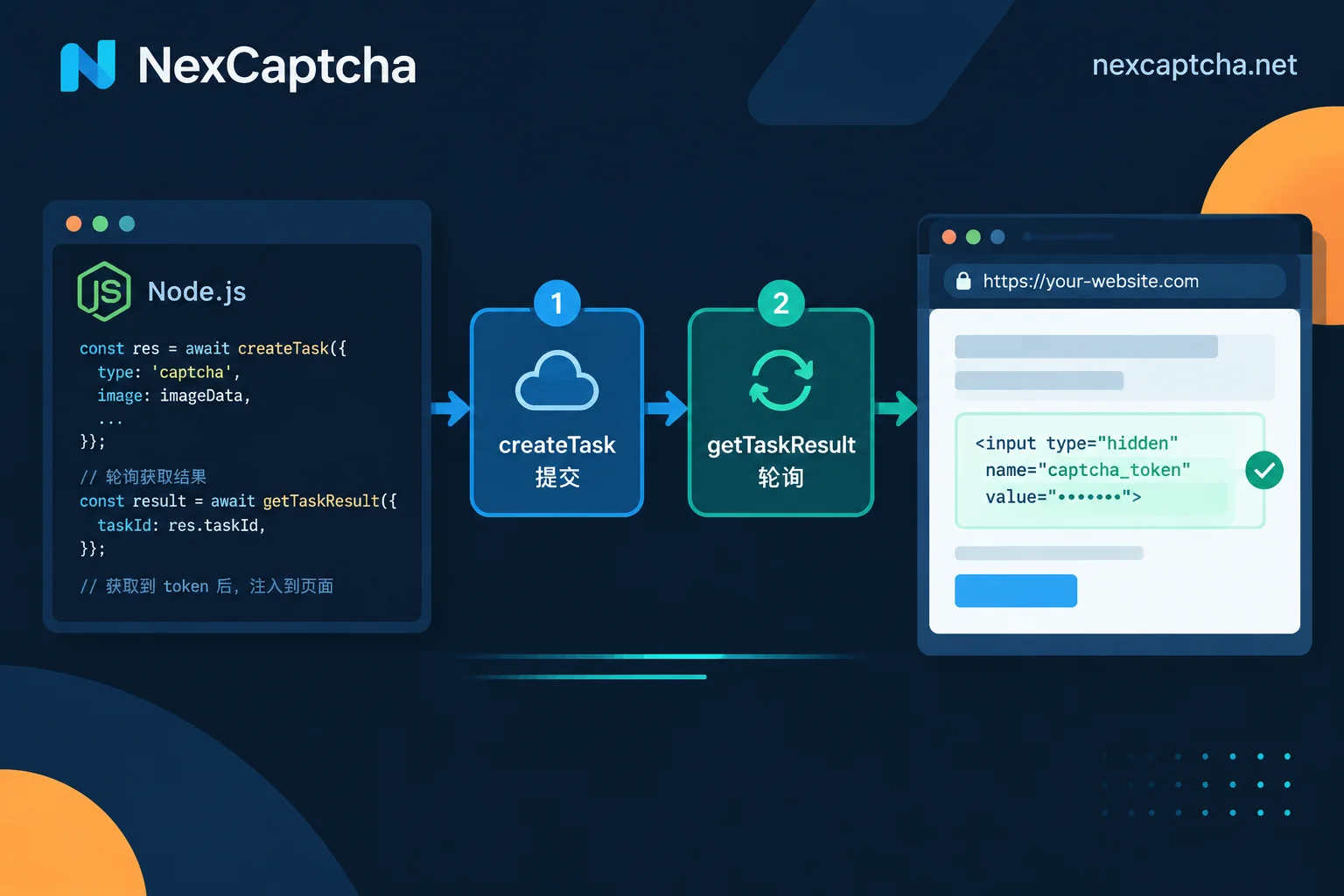
Integrating a CAPTCHA Solving API in Node.js: Task Submission, Polling, Error Handling, and Result Injection
A practical guide for Node.js developers on the two-stage CAPTCHA solving REST API flow: constructing requests for image and token tasks, polling with timeout and backoff, classifying errors, and injecting results into Playwright/Puppeteer pages for a complete loop.
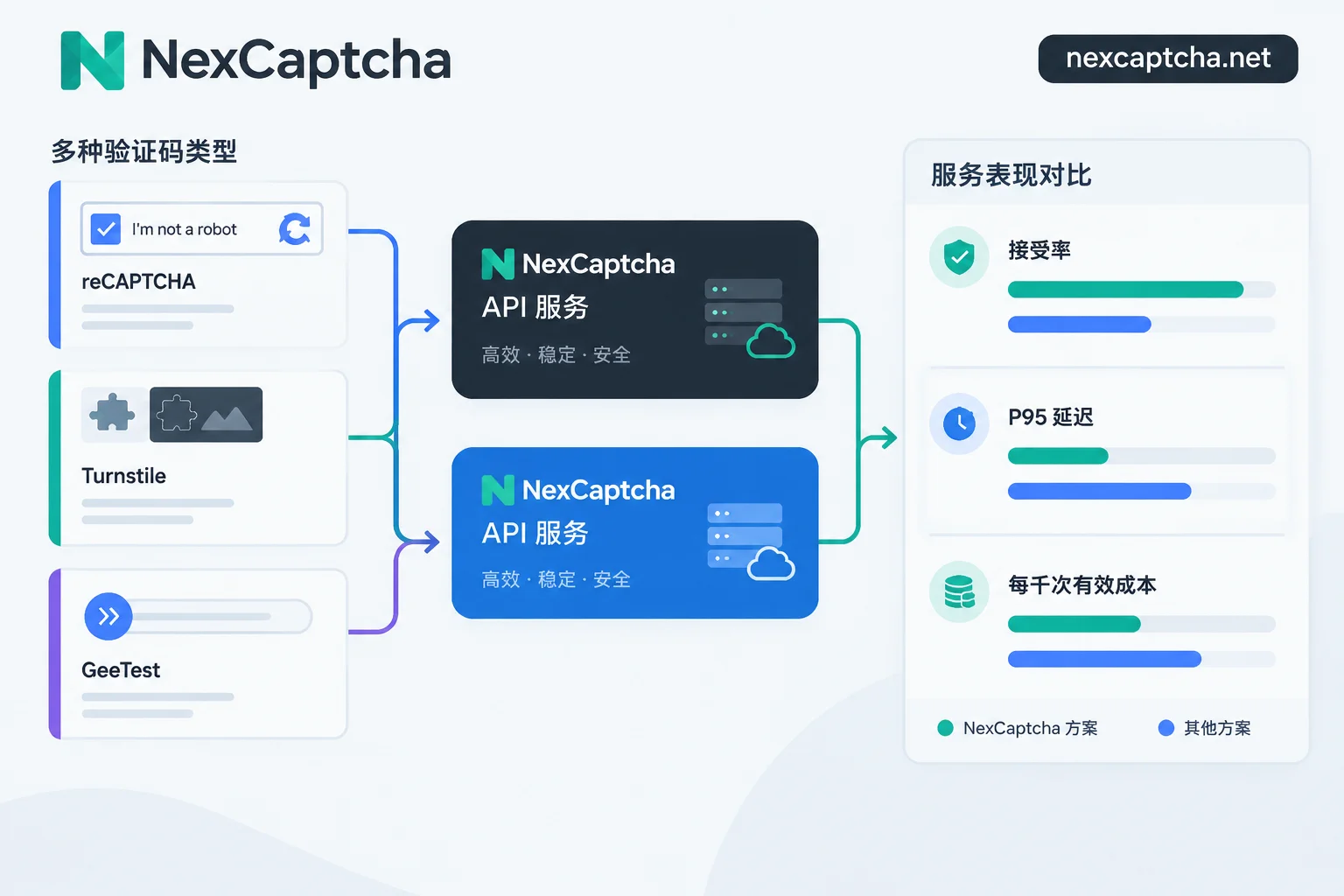
How to Choose a CapSolver Alternative: Task Inventory, Effective Cost Comparison, and Small-Traffic Migration Steps
When replacing CapSolver, first determine whether the problem lies in the platform or in your own session and proxy, then inventory by task type. This article compares three alternative approaches—AI with human fallback, pure automation, and multi-protocol compatibility—and provides a formula for 'cost per thousand business-accepted requests,' a migration field checklist, and a 5%–10% small-traffic dual-run validation method.
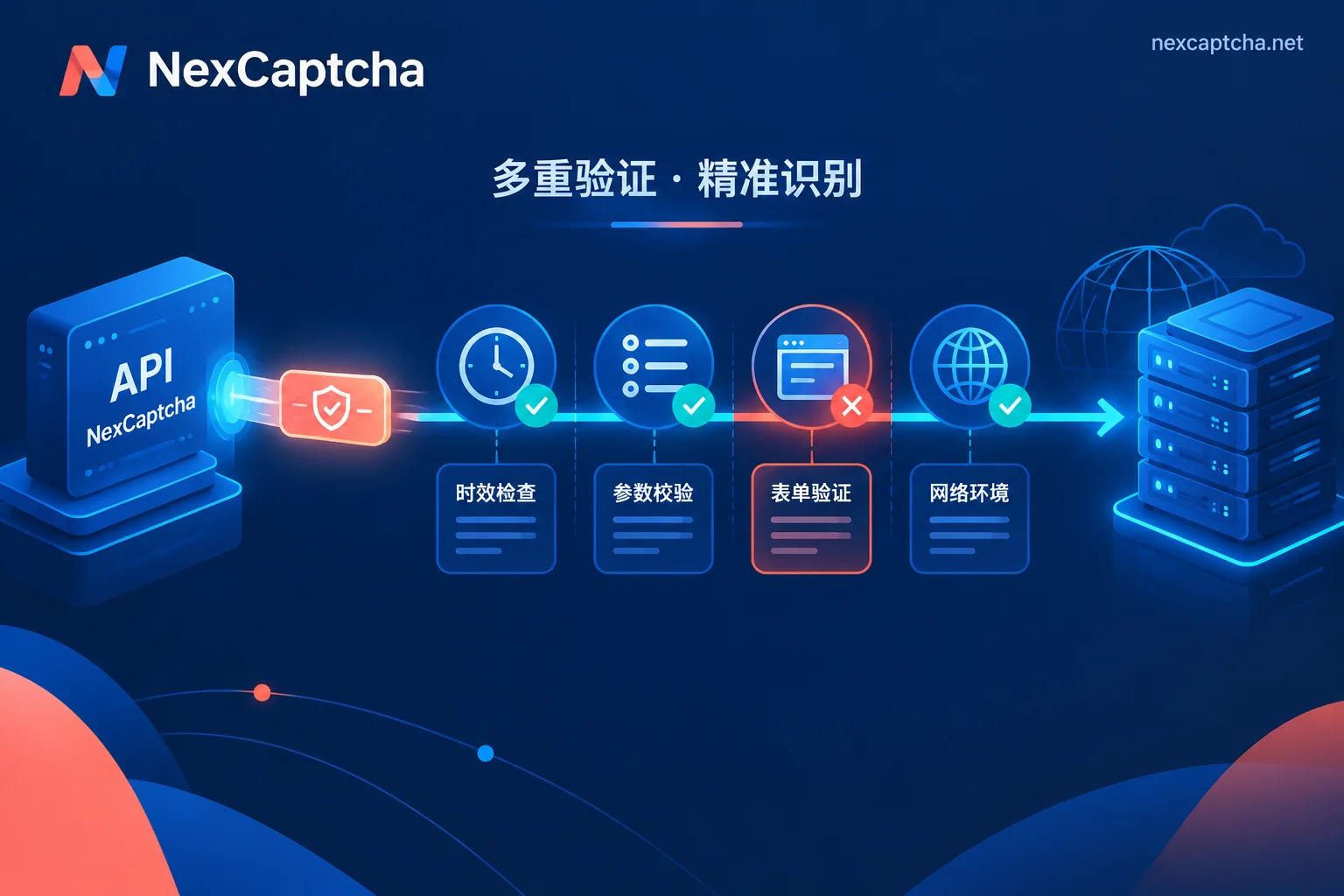
Troubleshooting Captcha Token Verification Failures After Return: Time Validity, Parameters, Injection, Score, and IP Layer-by-Layer Diagnosis
When a recognition service returns a token but the target site still rejects it, the failure usually falls into five categories: token expiration or reuse, mismatched sitekey/page URL/action/rqdata, token not injected or callback not triggered, reCAPTCHA v3/Enterprise score below threshold, or IP/session inconsistency between generation and submission. This article explains how to locate the failure layer and which log fields to record.