CAPTCHA API Polling vs Callback: Process, Latency, Deployment Requirements, and How to Choose
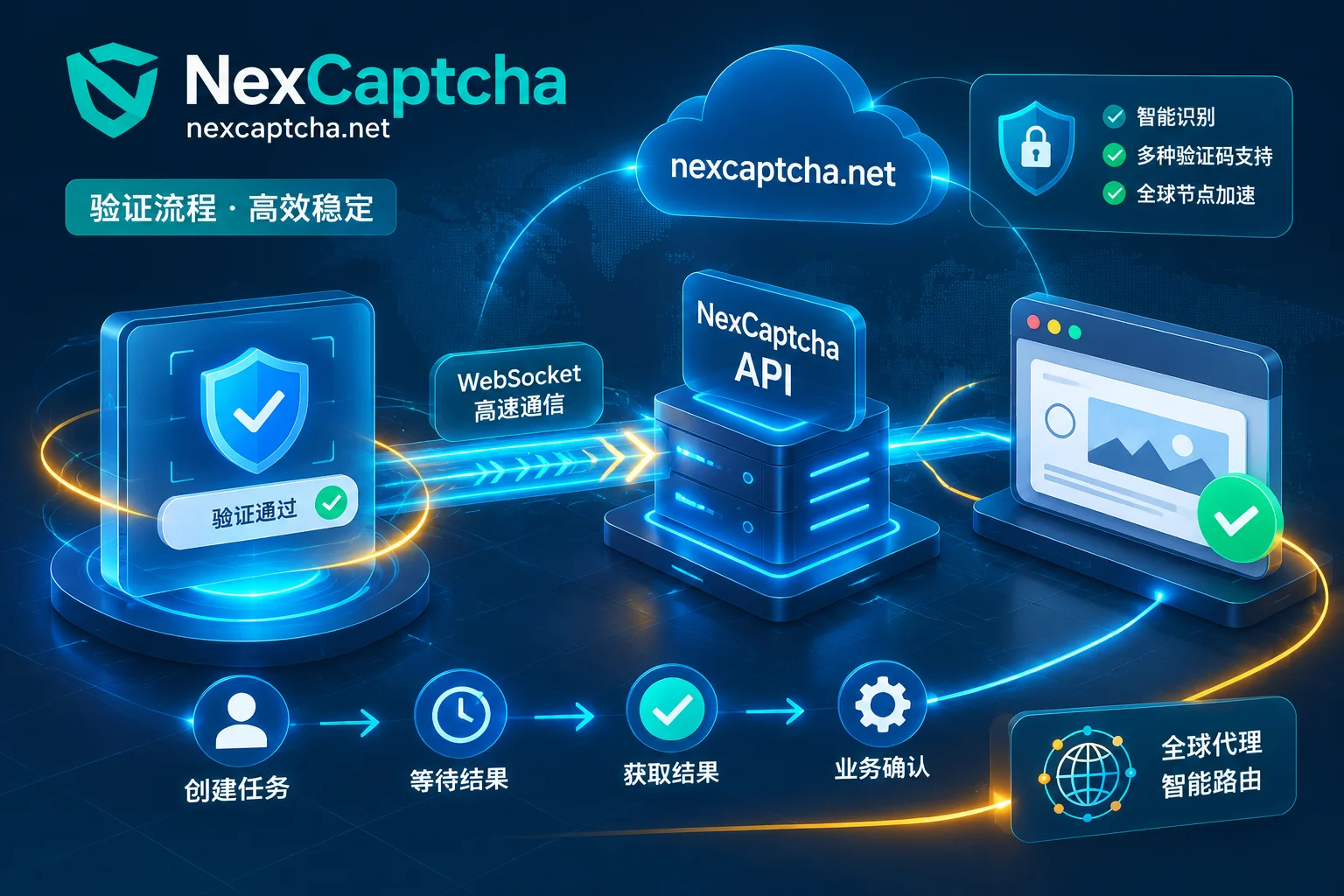
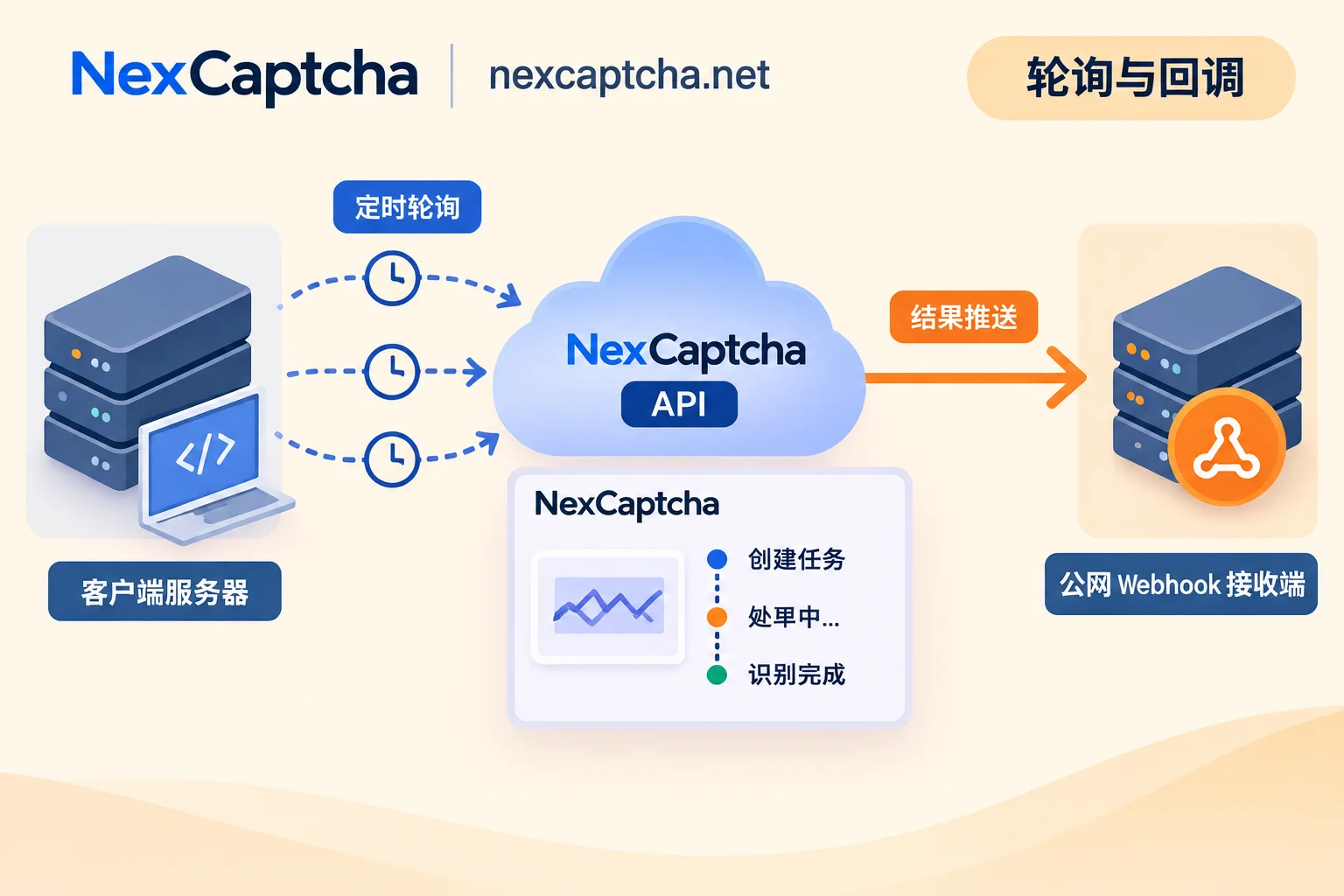
Polling and callback deliver the same recognition result—the difference is who notifies whom. This article compares the two across network conditions, latency, request volume, code structure, and fault tolerance, and explains which approach fits local scripts, browser automation, and distributed backends.
How to Choose a 2Captcha Alternative: Latency, Cost, API Differences, and Low-Risk Migration Steps
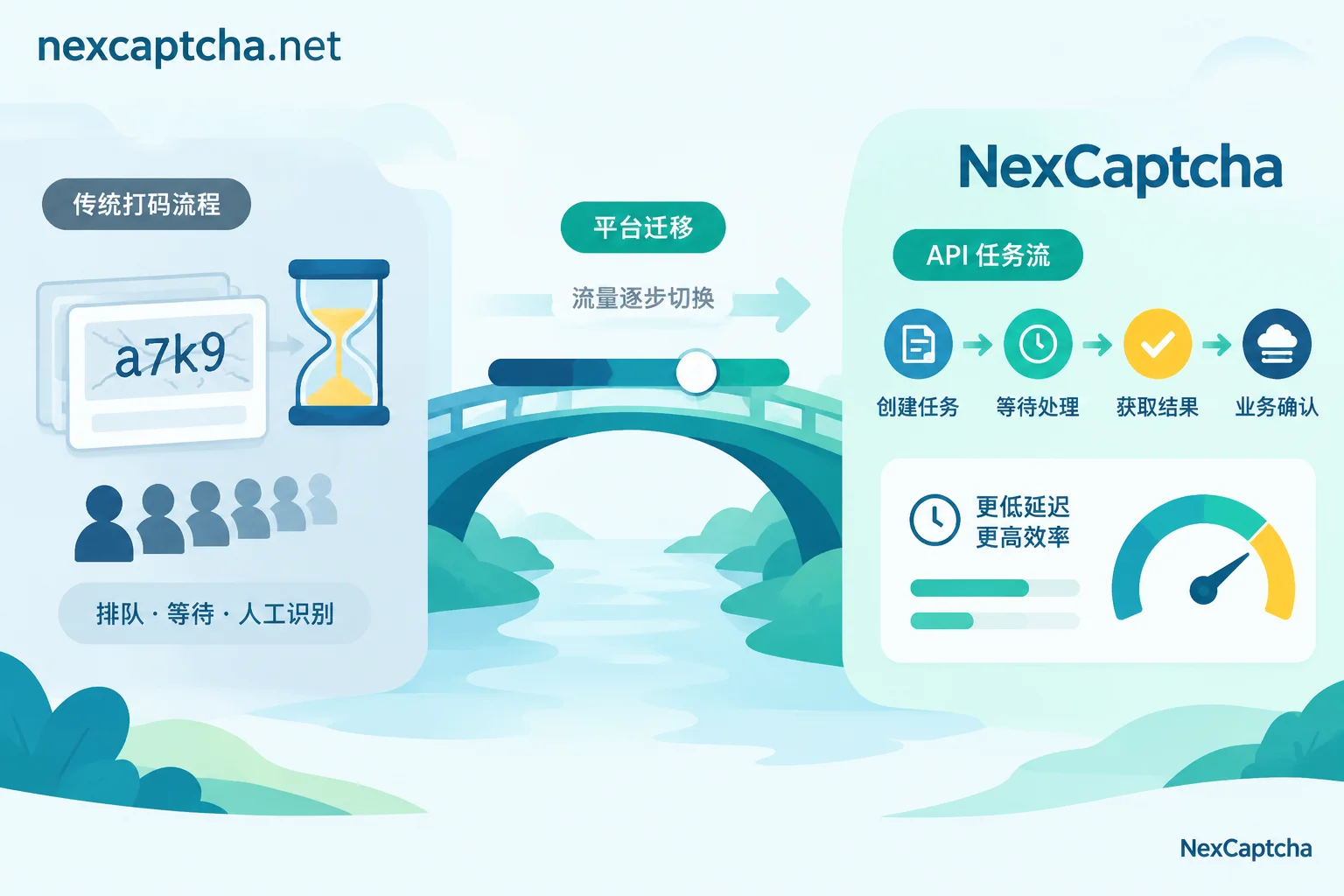
Explains when it's worth replacing 2Captcha, the main categories of alternatives, and how to select using five dimensions: latency percentiles, target site acceptance rate, API protocol, billing metrics, and type coverage. It provides a cost-per-thousand-successful-solves formula and a step-by-step canary migration method to reduce switching risk.
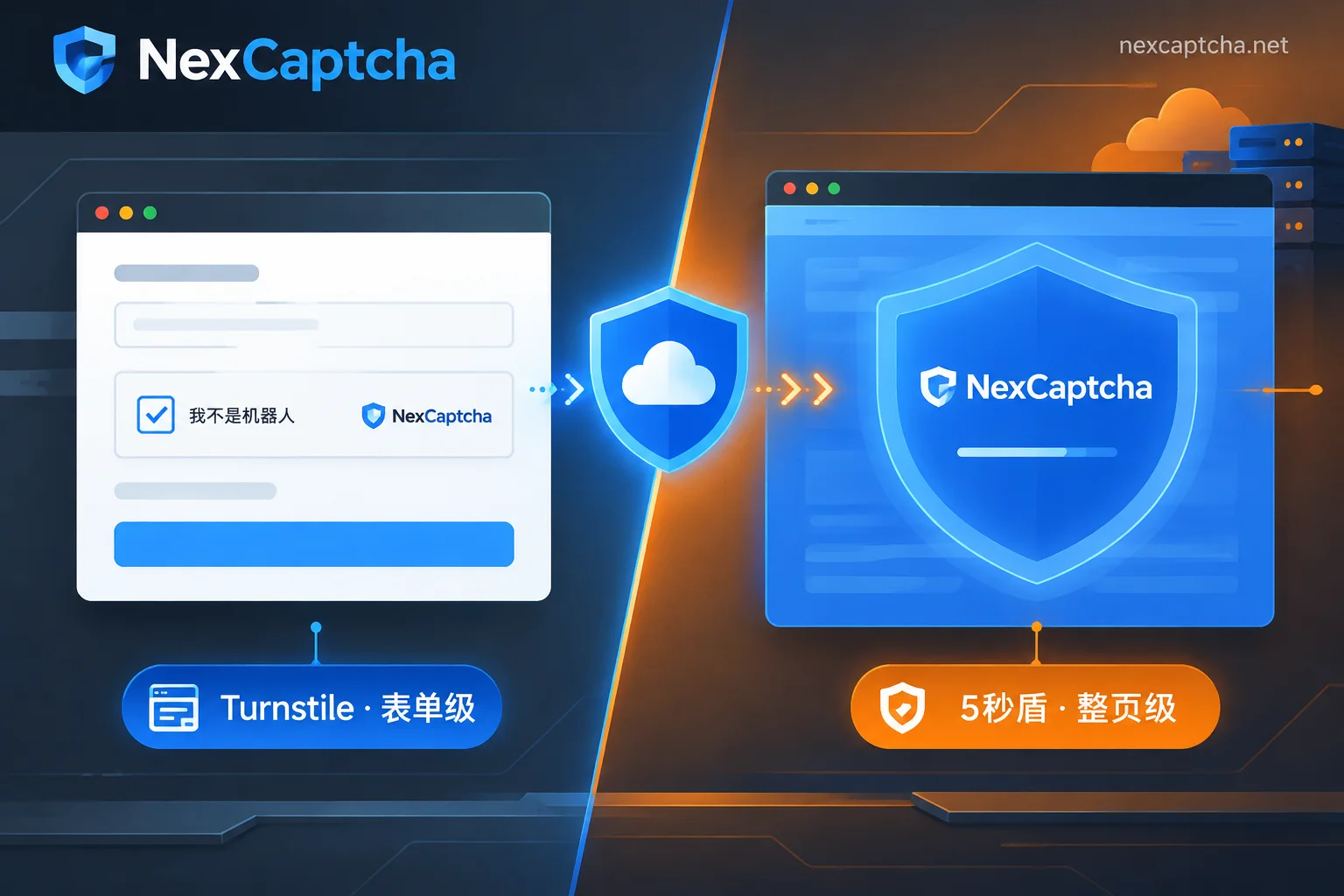
Turnstile vs 5-Second Shield: Trigger Location, Credentials, and Automation Handling Explained
Turnstile is an in-page widget that protects a single form or action and produces a short-lived token verified by the site's backend, while the '5-second shield' is a Cloudflare edge challenge page that gates the entire page and sets a cf_clearance cookie upon passing. This article explains their differences in protection layer, credentials, and verification party, provides on-site identification methods, and outlines different handling approaches for QA testing and automation integration.
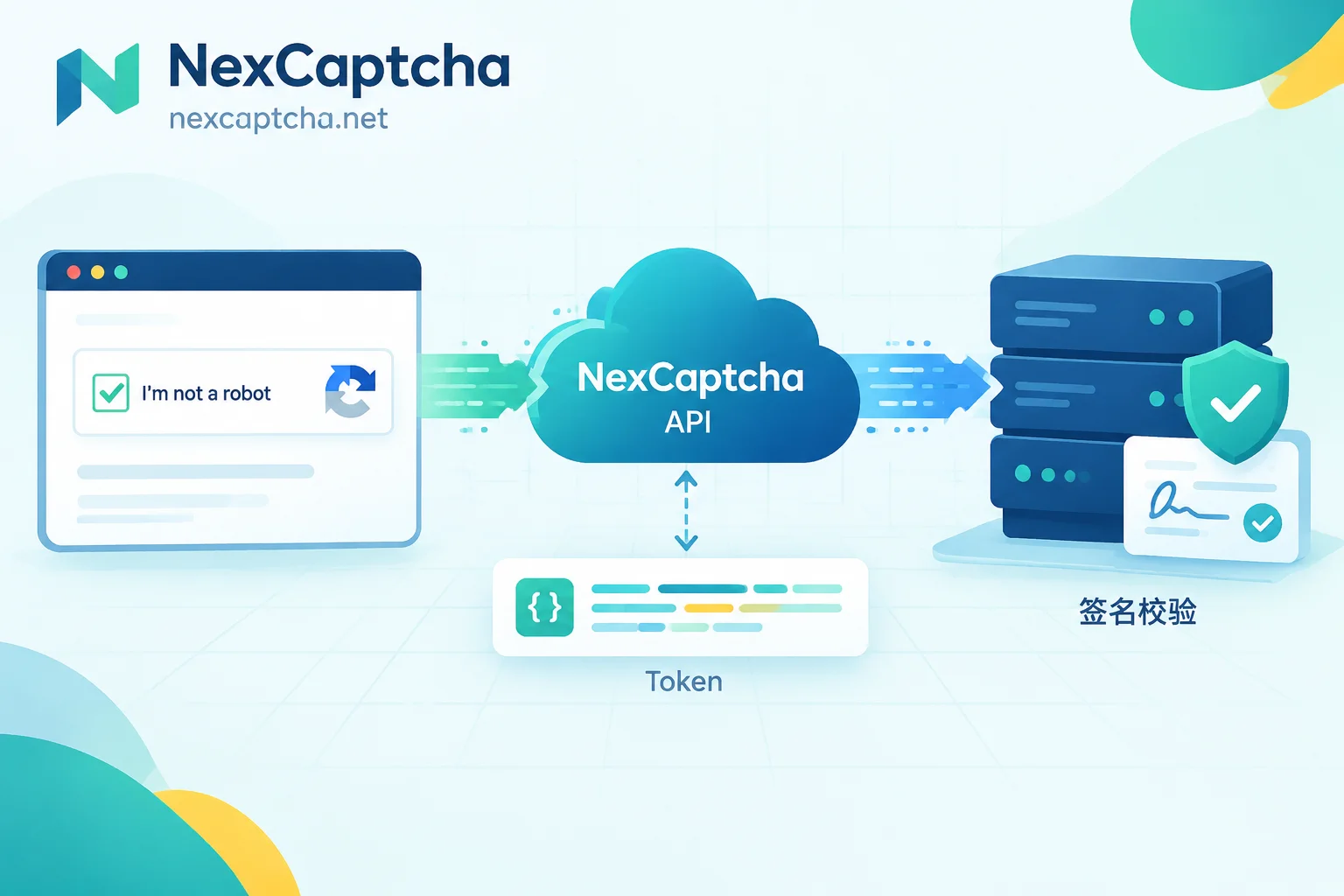
How Google reCAPTCHA Works and How to Build a Fully Automated Pipeline with a CAPTCHA Solving API
Break down the three-stage structure of reCAPTCHA v2, v3, and Enterprise—behavior collection, token issuance, and server-side verification—then provide a complete loop for integrating a recognition API in Playwright/Selenium: extract sitekey and action, create a task, poll for the result, inject g-recaptcha-response and trigger the callback, and validate the business result after submission, with layered troubleshooting for common failures and tool boundaries.