
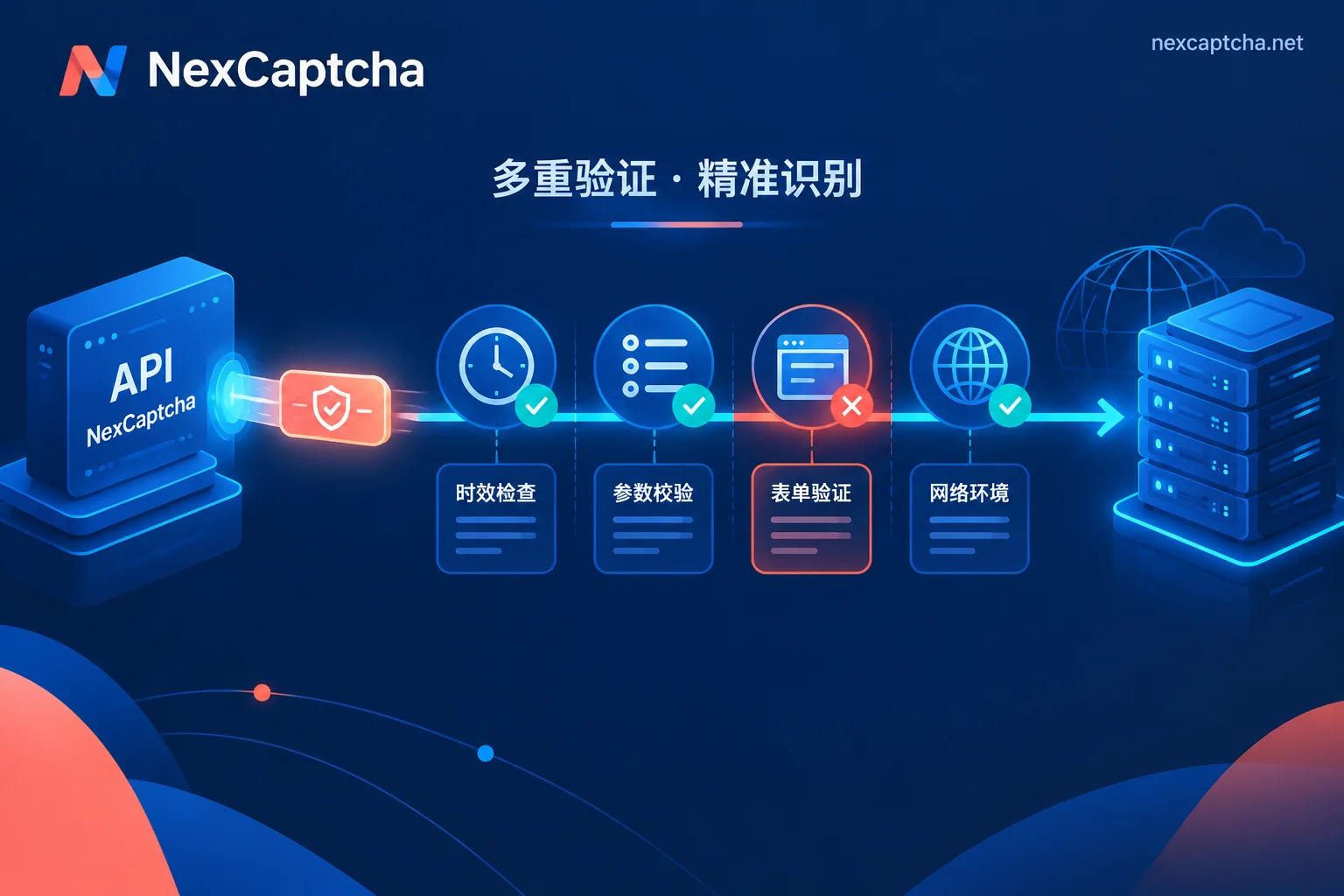
Troubleshooting Captcha Token Verification Failures After Return: Time Validity, Parameters, Injection, Score, and IP Layer-by-Layer Diagnosis
When a recognition service returns a token but the target site still rejects it, the failure usually falls into five categories: token expiration or reuse, mismatched sitekey/page URL/action/rqdata, token not injected or callback not triggered, reCAPTCHA v3/Enterprise score below threshold, or IP/session inconsistency between generation and submission. This article explains how to locate the failure layer and which log fields to record.
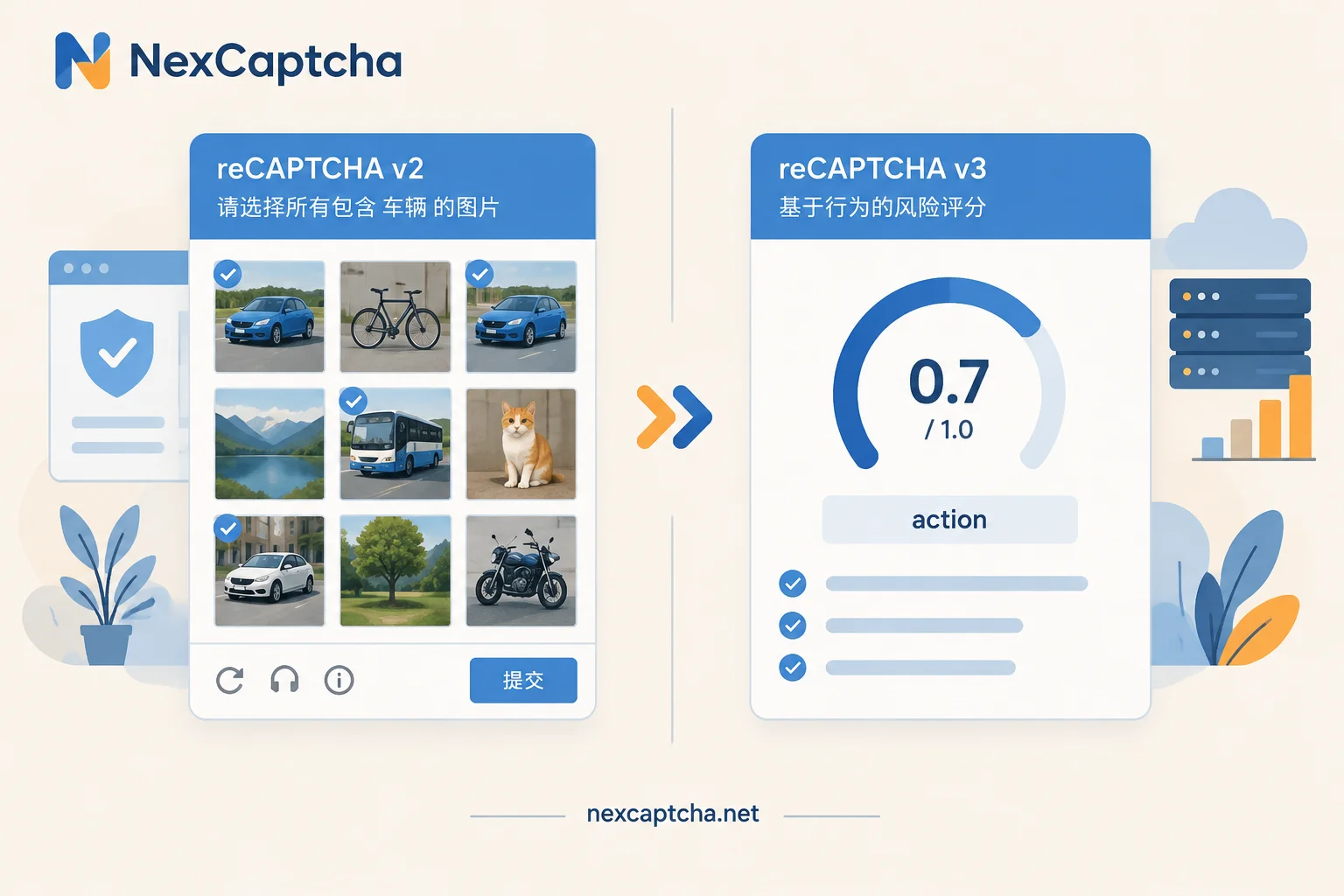
reCAPTCHA v2 vs v3: Interaction, Backend Verification, and Automation Handling
reCAPTCHA v2 requires user interaction and returns only pass or fail; v3 is unobtrusive and returns a 0.0–1.0 risk score plus an action label, with your backend deciding whether to allow. This article compares the two in terms of frontend behavior, siteverify responses, token rules, selection, hybrid solutions, and automation handling, and lists common pitfalls during implementation.
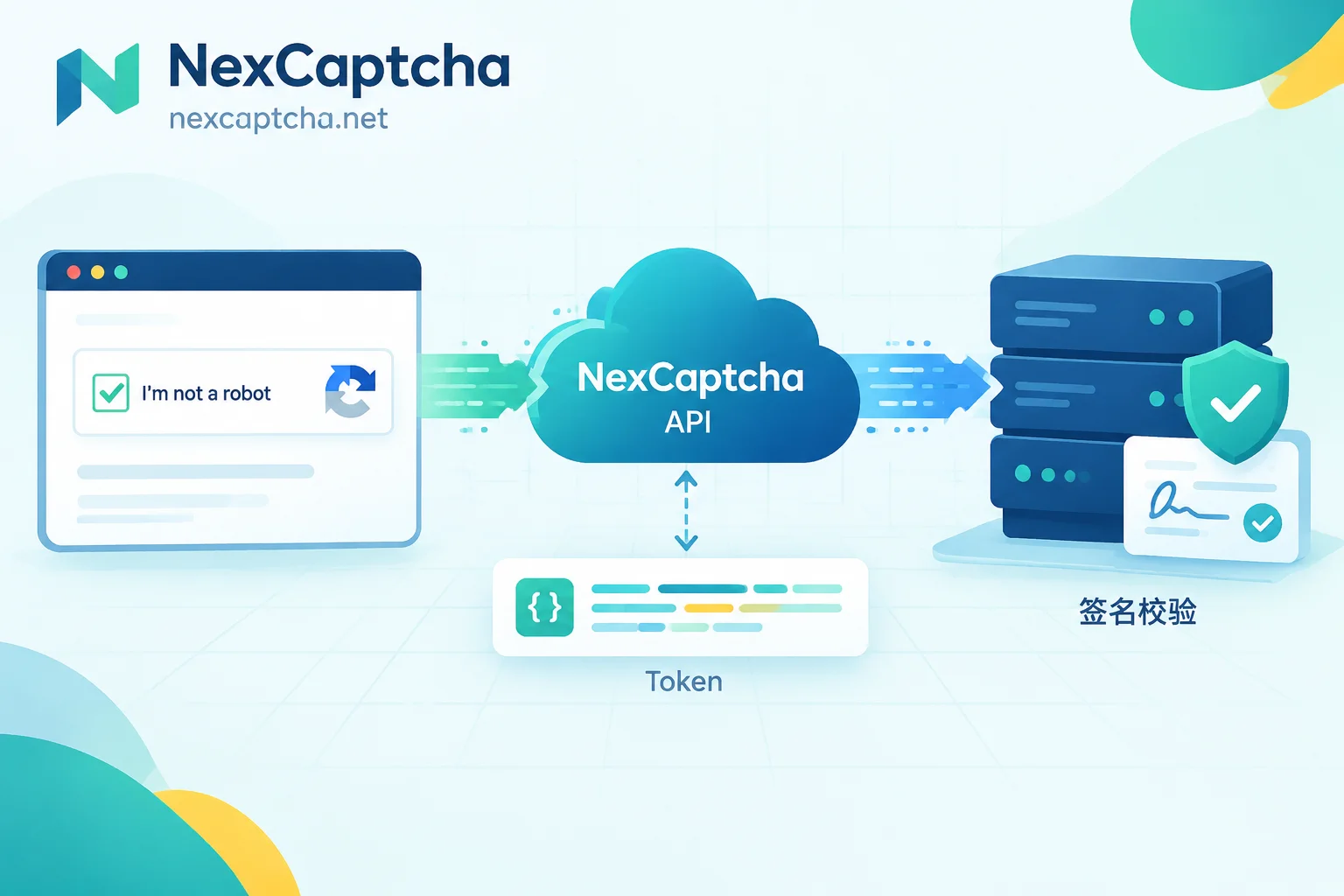
How Google reCAPTCHA Works and How to Build a Fully Automated Pipeline with a CAPTCHA Solving API
Break down the three-stage structure of reCAPTCHA v2, v3, and Enterprise—behavior collection, token issuance, and server-side verification—then provide a complete loop for integrating a recognition API in Playwright/Selenium: extract sitekey and action, create a task, poll for the result, inject g-recaptcha-response and trigger the callback, and validate the business result after submission, with layered troubleshooting for common failures and tool boundaries.


